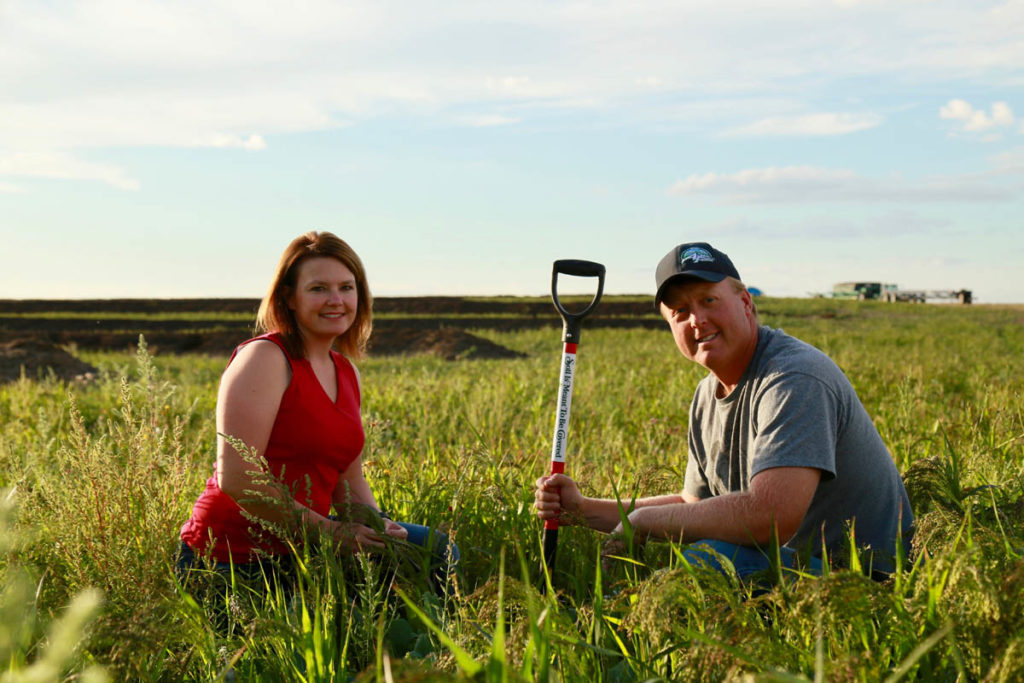


Axten Farms
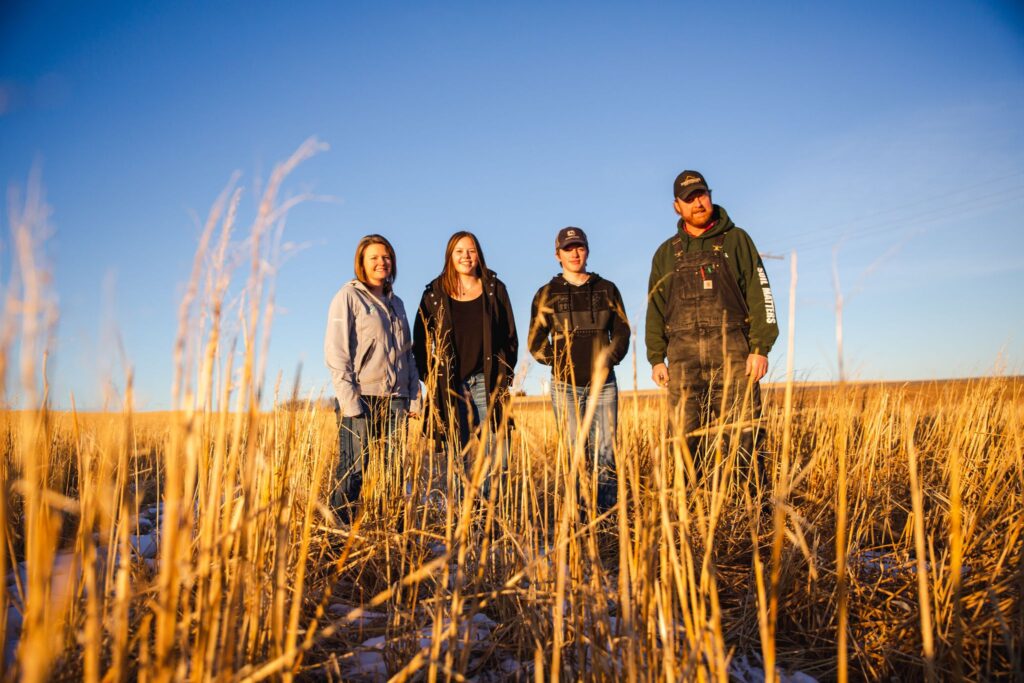
10000 acresBox 181, Minton, Saskatchewan, S0C 1T0Tannis and Derek Axten
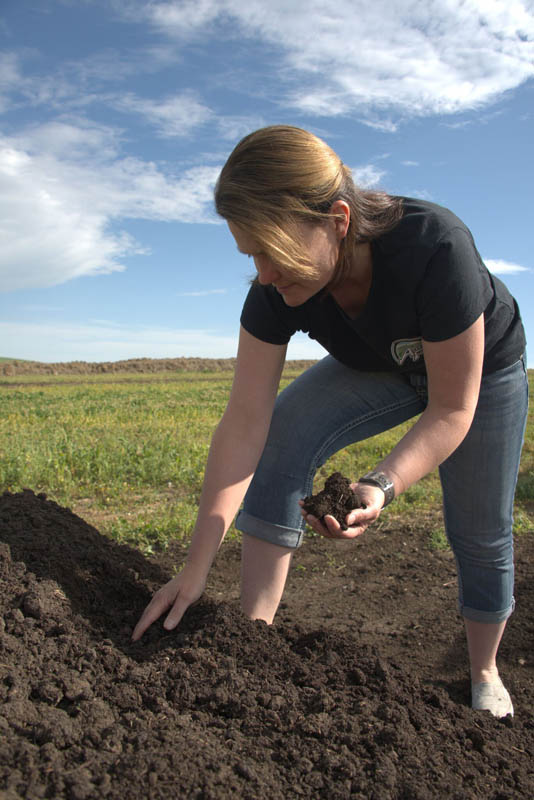
To us, regenerative agriculture means using practices that allow us to continually improve the health of our soils.
STORIES OF REGENERATION:
SHORT FILM
Growing nutritious grains at Axten Farms
PODCAST
Podcast: Axten Farms is Loyal to the Soil
WEBINAR
🎥 Regenerating the market: Direct-to-consumer models connecting farmers and families
Photo gallery
Saskatchewan
REGENERATIVE PRINCIPLE
Keep the soil covered
2023-07-29 | Live Event
Discover more
Products
- GRAINS:Winter peas
- chickling vetch
- fall rye
- Spring Wheat Blend
- Red fife
- spelt
- buckwheat
- flax
- mustard
- Khorasan
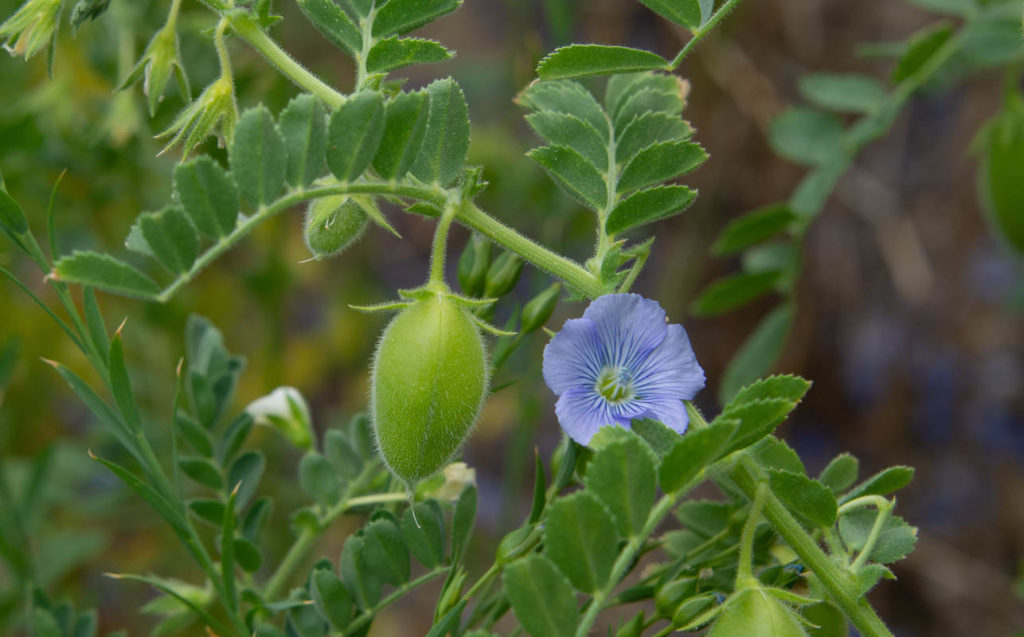
- desi chickpeas
- einkorn
- camelina
- lentils WHOLE GRAIN FLOURS: Spring Wheat Blend
- Spelt
- Red Fife
- Rye
- Buckwheat
- Chickpea
- Khorasan
- Einkorn
Regenerative Practices
- Minimize soil disturbance
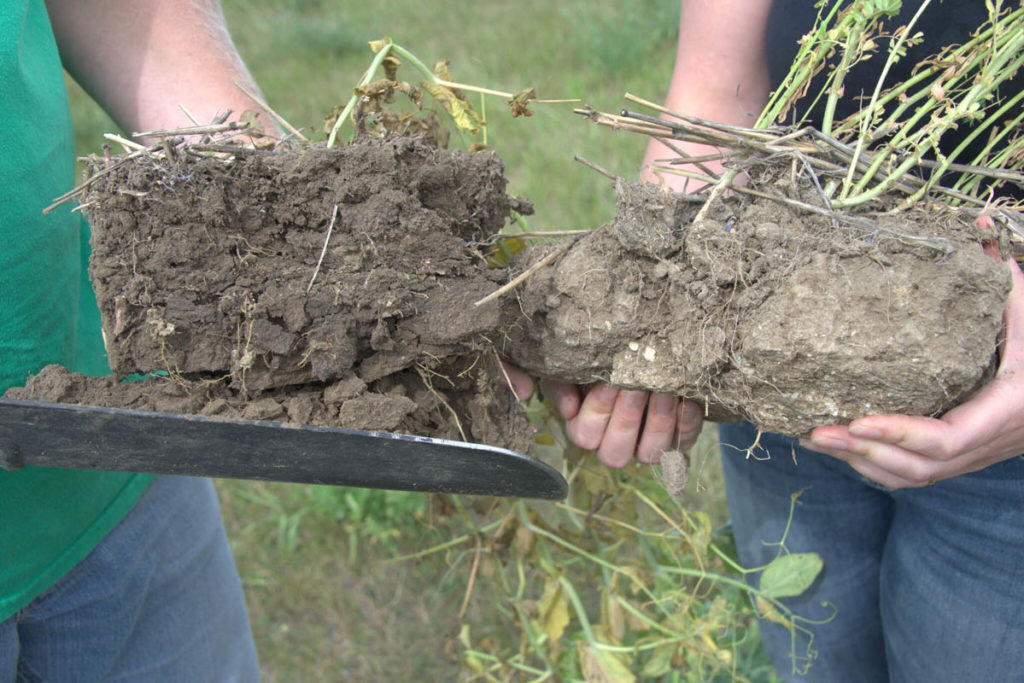
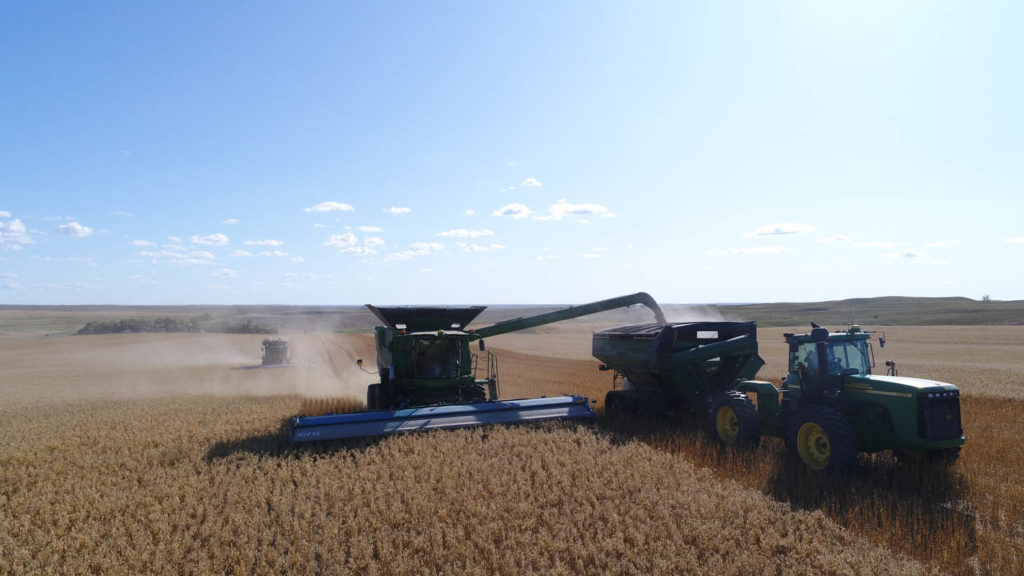
- No-till (direct seeding, zero-tillage) The soil is not worked at any point throughout the season. residue from the previous crop is left on the soil surface, and its root system is left intact. the following crop is seeded directly into the soil without tillage.
- Permanent grassland A parcel of land composed primarily of herbaceous grasses, including perennials and native plant species, which can be used for grazing, forage, or biomass production.
- No-till (direct seeding, zero-tillage)
- Keep the soil covered and maintain living roots year-round
- Cover crops Plants grown alongside, preceding, or following cash crops with the purpose of increasing soil fertility, reducing soil erosion, and suppressing weeds.
- Intercropping Simultaneously growing two or more crops adjacent to one another, on the same piece of land and within the same growing season. crops are paired based on their differing, yet complementary, space and resource requirements.
- Cover crops
- Protect and enhance biodiversity
- Companion cropping Simultaneously growing two or more crops together in the same field so they complement one another by improving nutrient cycling, suppressing pests and weeds, and enhancing biodiversity.
- Diverse crop rotations Planting crops with different characteristics in sequence on the same field over time
- Pollinator buffers Patches or rows of diverse flowering vegetation that provide pollinators with permanent habitats and food sources. they can be planted as intercrops or at the edge of fields.
- Habitat conservation/creation/restoration The conservation, creation, and restoration of ecosystems to improve habitat value for wildlife. forests, prairies, riparian areas, or wetlands can be restored along farmland.
- Companion cropping
- Optimize input use
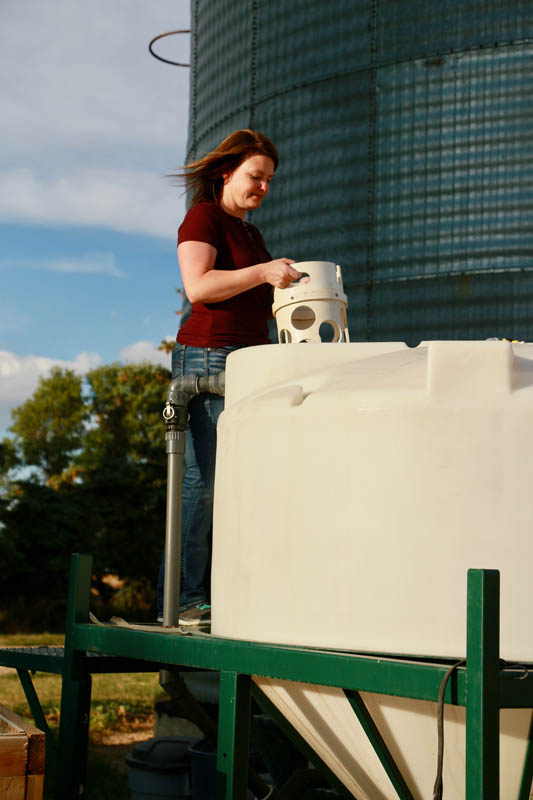
- Compost Organic matter that has been recycled through a composting process into a form that can be used as a soil amendment.\r\ncompost is the stable, nutrient-rich product of decomposed organic matter—such as plant residues, manure, or food scraps—that has been biologically processed under controlled aerobic conditions.
- Biostimulants Any substance or microorganism applied to plants or soil to stimulate the plant’s ability to assimilate applied nutrients or provide benefits to plant development. biostimulants include amino acids, chitosan (biopolymers), seaweed extracts, and humic substances.
- Compost
- Preserve and restore natural ecosystems
- Maintain living roots year-round (agroforestry and perennials)
- Perennial crops (grasslands) Crops that regrow each year in a specific climate without needing to be reseeded.
- Native perennial vegetation conservation The conservation of existing—or reintroduction of—native perennial vegetation, those that occur naturally in a region in which it evolved. it includes grasslands, woodlands, wetlands, and coastal habitats.
- Riparian buffers Mixed woody and non-woody species planted along the edges of bodies of water (streams, rivers, lakes, or ponds).
- Perennial crops (grasslands)
- Improve water cycles
- Rainwater harvesting The practice of collecting and storing rainwater from roofs, surfaces, or landscapes for later use in irrigation, livestock watering, or other on-farm needs.
- Water conservation The optimized use of water for crops and trees, or strict water use during critical periods of crop stages.
- Rainwater harvesting
Observations
- Increased water infiltration and retention
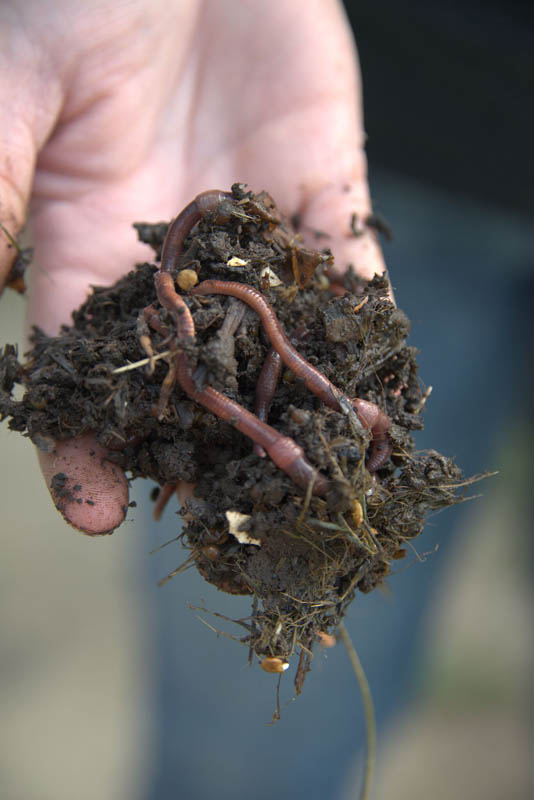
- Increase in soil biology diversity
How to buy
- Contact us by email