

Bla-Kar Farms
1200 acres22925 Merlin Road, Merlin, Ontario, N0P 1W0E. Blake Vince
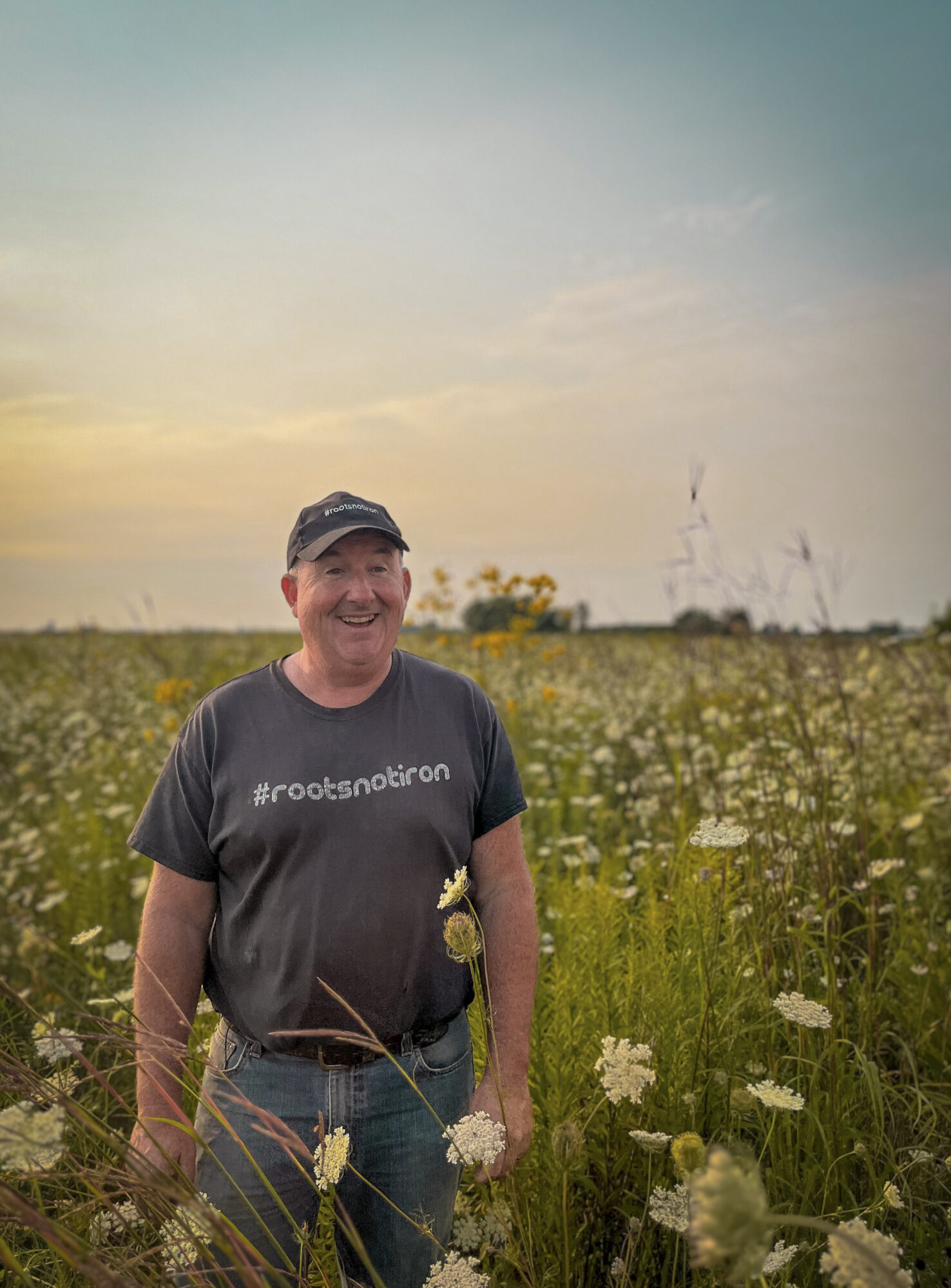
Regenerative agriculture for us is an emphasis is on improving the land that we use. Ensuring that it is in better condition for future generations, regardless if they are my children or someone unrelated to ourselves.
STORIES OF REGENERATION:
SHORT FILM
No-till farming at Bla-Kar Farms
PODCAST
Podcast: Maximizing Soil Function at Bla-Kar Farms
REGENERATIVE PRINCIPLE
Minimize soil disturbance
Products
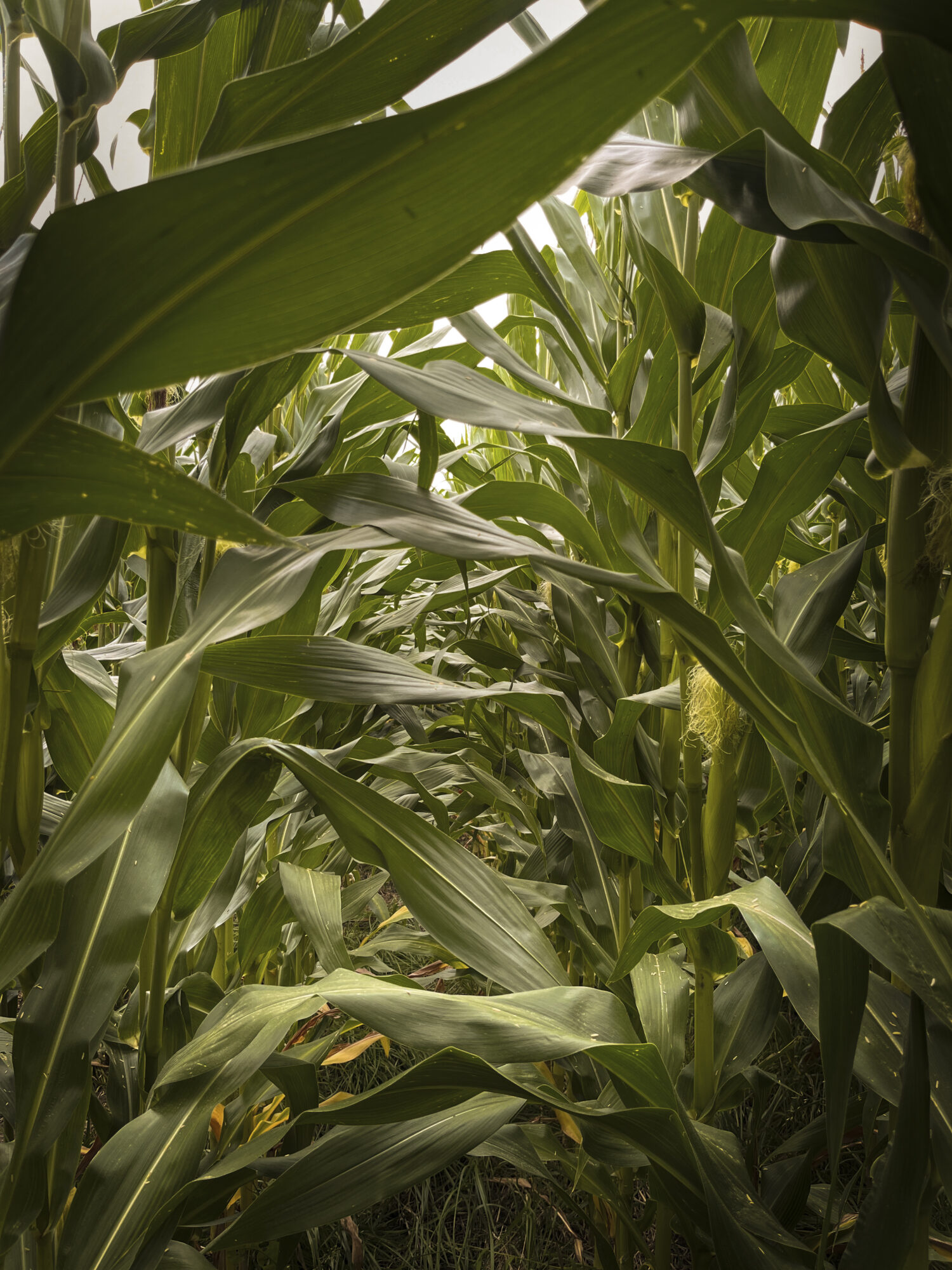
- Non GMO corn
- Non GMO soybeans
- Winter Wheat
- Cover Crop Seed
Regenerative Practices
- Minimize soil disturbance
- No-till (direct seeding, zero-tillage) The soil is not worked at any point throughout the season. residue from the previous crop is left on the soil surface, and its root system is left intact. the following crop is seeded directly into the soil without tillage.
- No-till (direct seeding, zero-tillage)
- Keep the soil covered and maintain living roots year-round
- Cover crops Plants grown alongside, preceding, or following cash crops with the purpose of increasing soil fertility, reducing soil erosion, and suppressing weeds.
- Cover crops
- Protect and enhance biodiversity
- Diverse crop rotations Planting crops with different characteristics in sequence on the same field over time
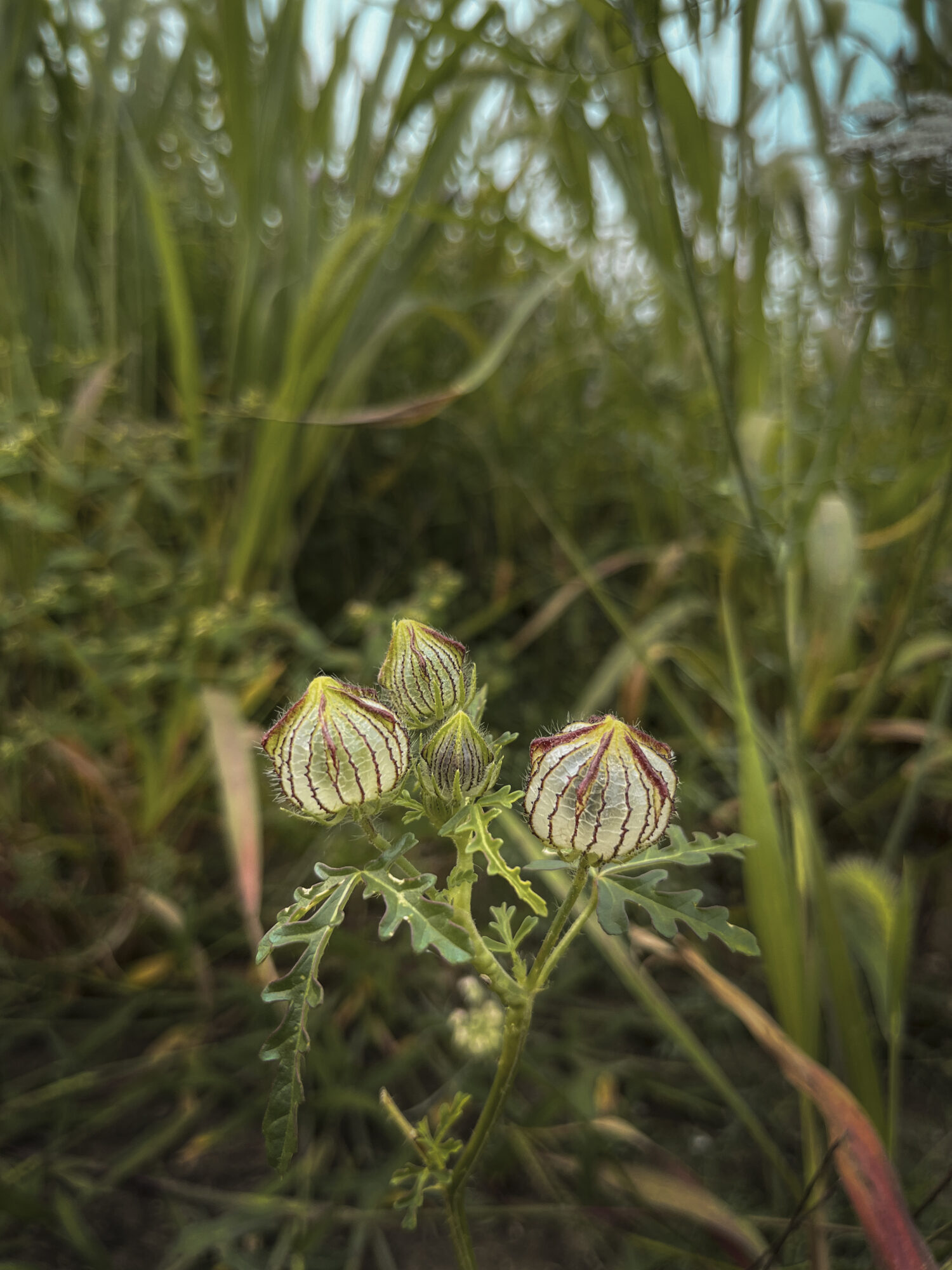
- Pollinator buffers Patches or rows of diverse flowering vegetation that provide pollinators with permanent habitats and food sources. they can be planted as intercrops or at the edge of fields.
- Habitat conservation/creation/restoration The conservation, creation, and restoration of ecosystems to improve habitat value for wildlife. forests, prairies, riparian areas, or wetlands can be restored along farmland.
- Diverse crop rotations
- Optimize input use
- Preserve and restore natural ecosystems
- Maintain living roots year-round (agroforestry and perennials)
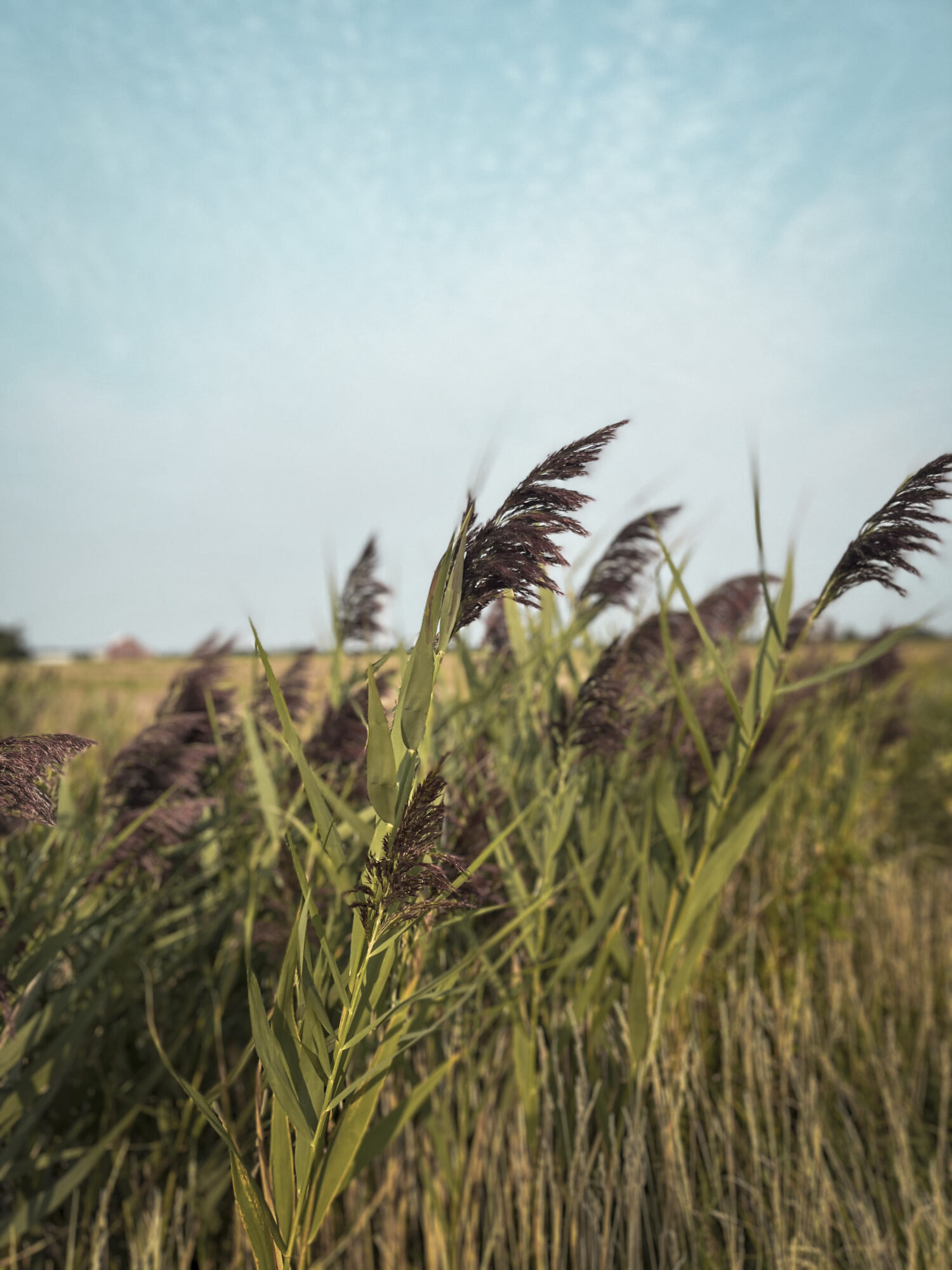
- Native perennial vegetation conservation The conservation of existing—or reintroduction of—native perennial vegetation, those that occur naturally in a region in which it evolved. it includes grasslands, woodlands, wetlands, and coastal habitats.
- Native perennial vegetation conservation
- Integrate animals on the lands and ensure their welfare
- Adaptive multi-paddock grazing Adaptive multi-paddock (amp) grazing is a regenerative grazing system in which livestock are grazed in small paddocks and are moved frequently, resulting in short but intense grazing intervals. the system of multiple small paddocks means that cattle do not circle back to a pasture for a long period of time, allowing for long pasture recovery periods. the word “adaptive” in amp means adapting the duration of livestock on a pasture according to forage availability and the weather, all in the goal of avoiding overgrazing and overstocking.
- Adaptive multi-paddock grazing
- Improve water cycles
- Water conservation The optimized use of water for crops and trees, or strict water use during critical periods of crop stages.
- Water conservation
Observations
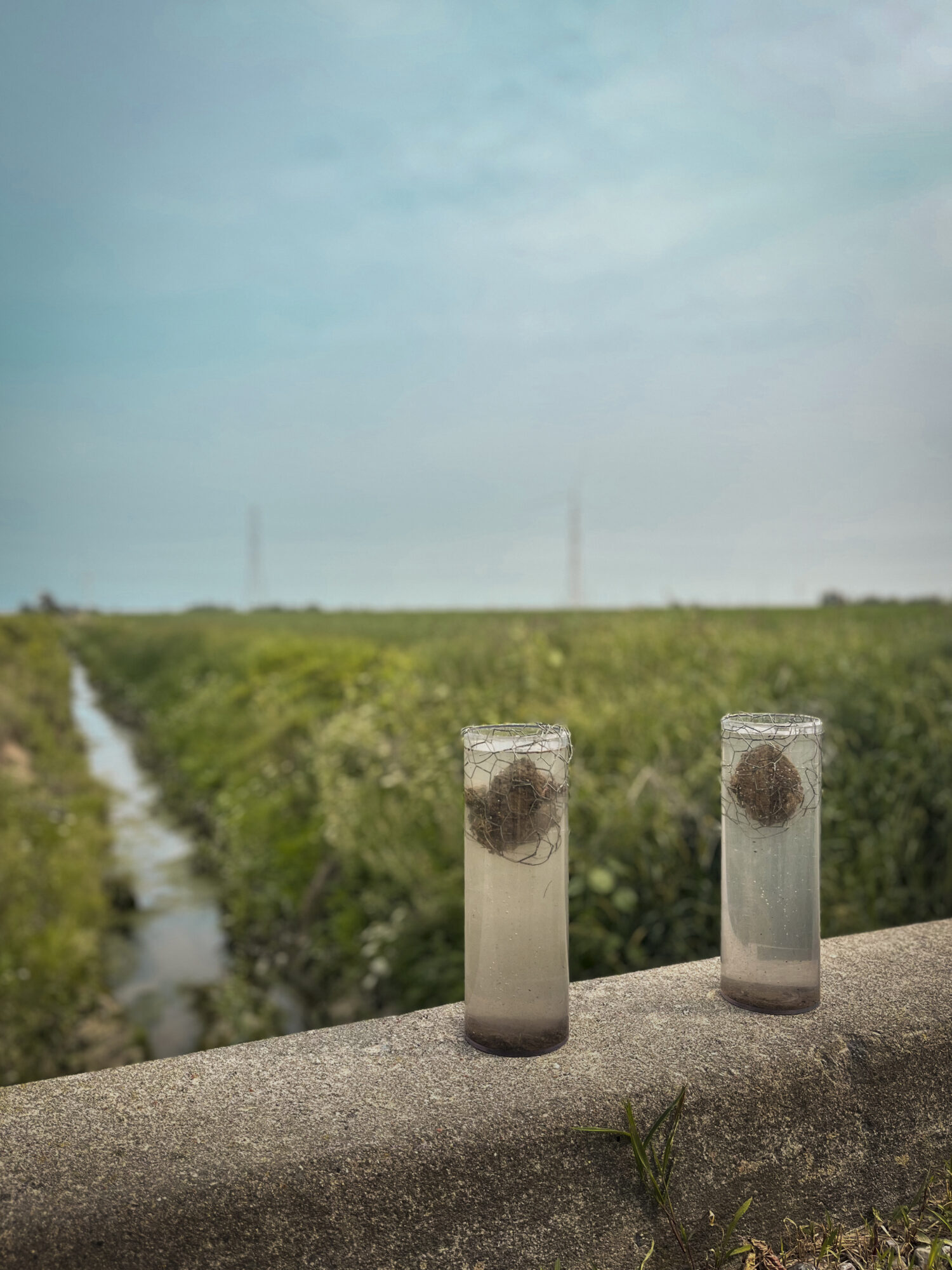
- Water infiltration, Water holding capacity
- Grassland birds, bobolink, meadowlarks, Dicksissel, various birds of prey
How to buy
- Contact by phone or email