
Ferme de l’Odyssée
3240 Rang le Petit-Saint-Esprit, Nicolet, Québec, J3T 1T7Sebastien Angers
Biodiversity: it's the reflection of the art of farm regenerative living
Products
- Corn
- Soy
- Rye
- Hairy vetch
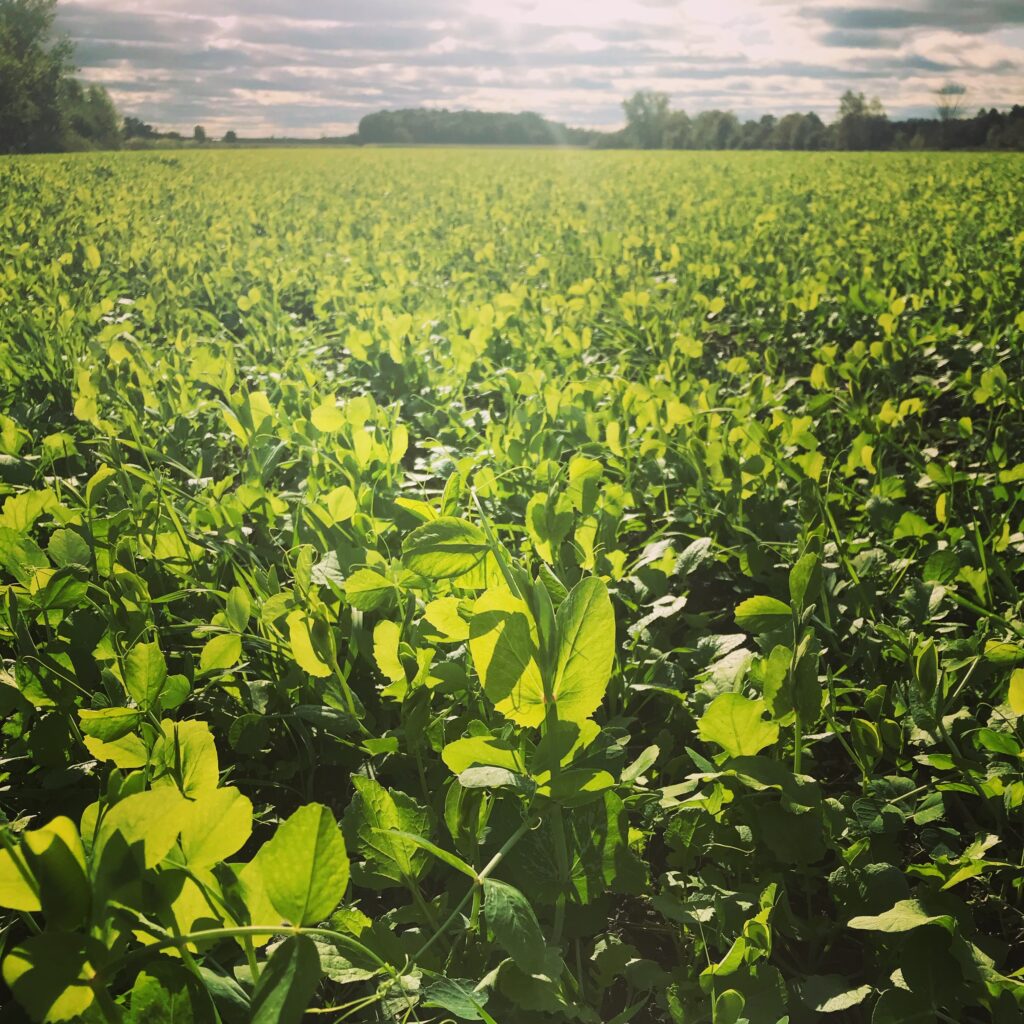
- Forage peas
- Leeks
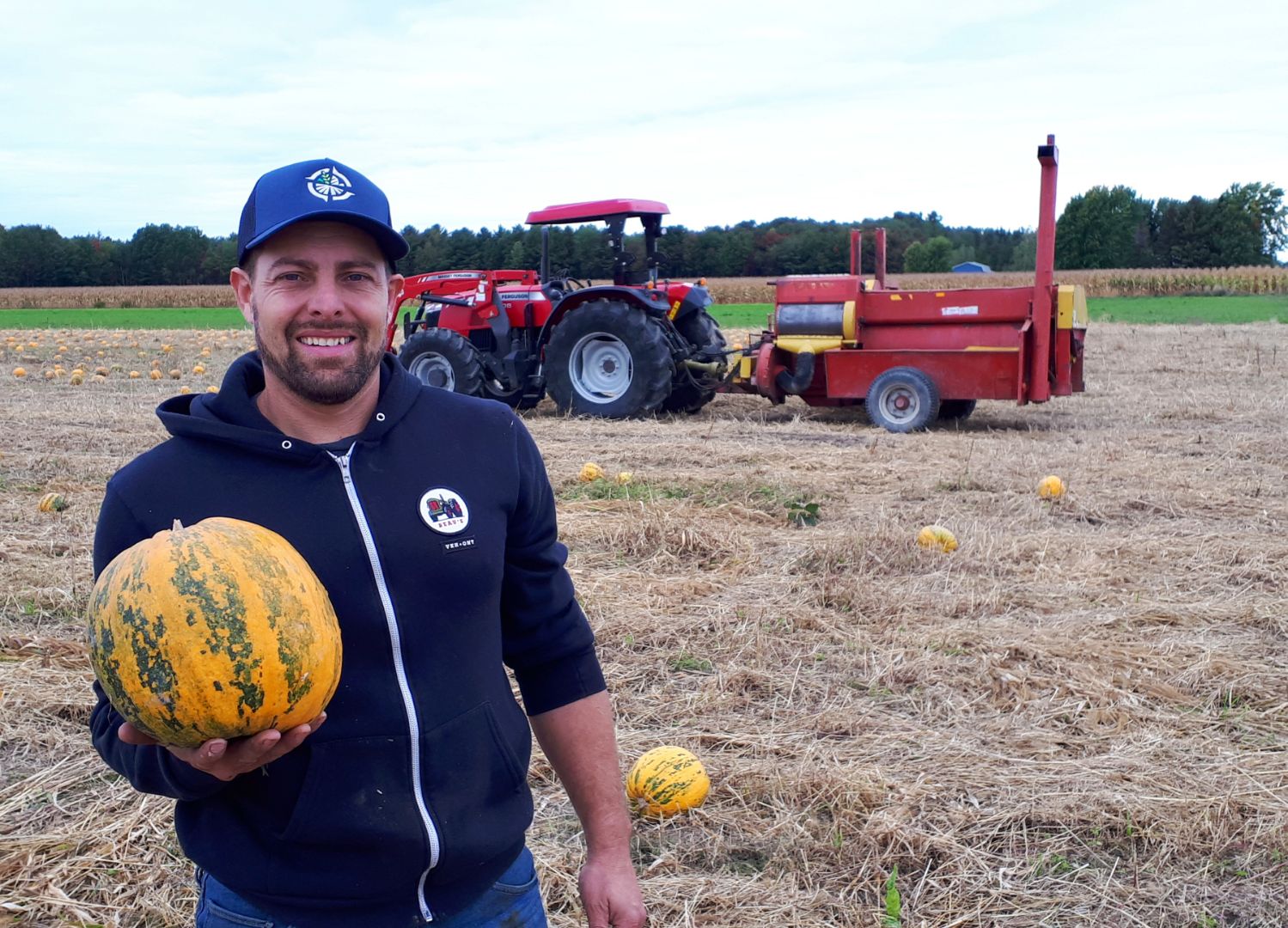
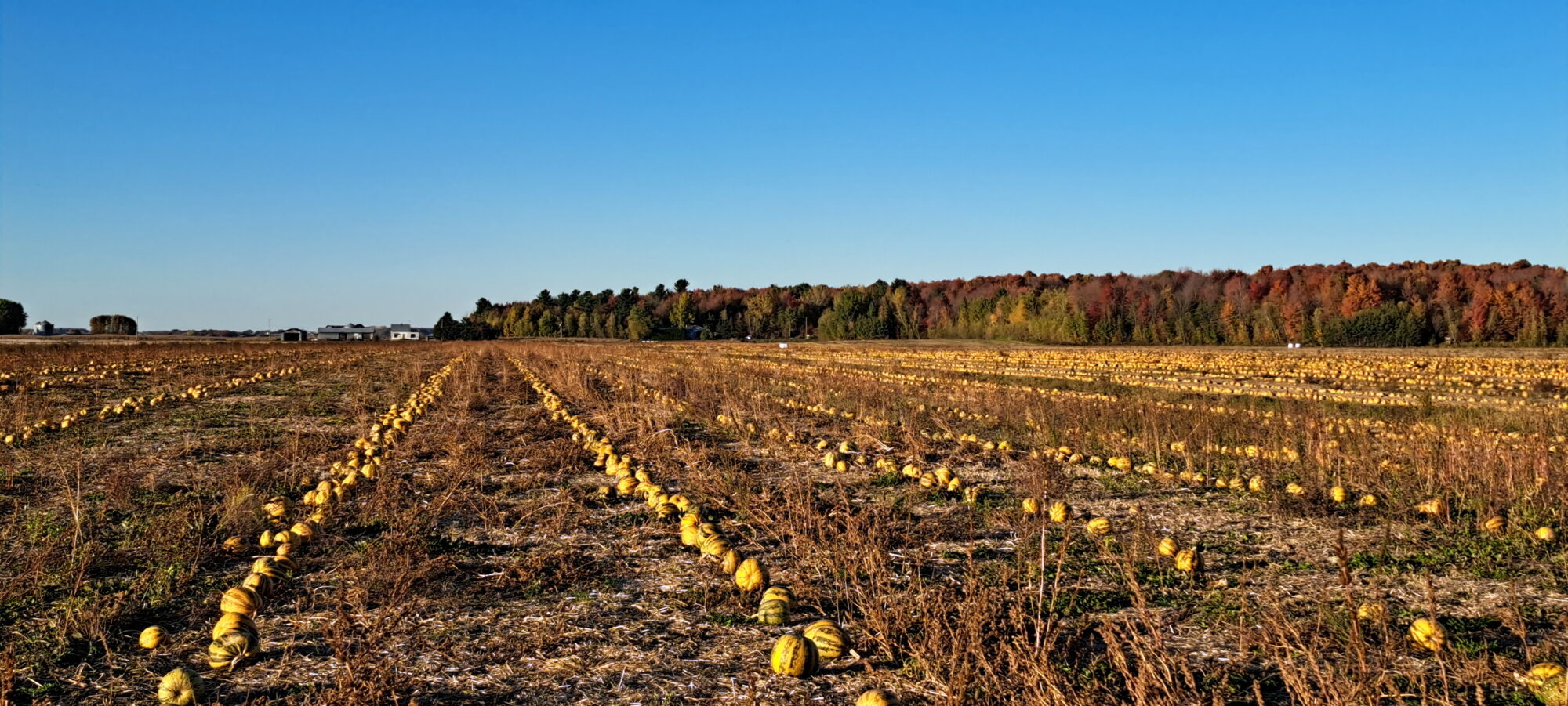
- Squash
- Pumpkin seeds
Regenerative Practices
- Minimize soil disturbance
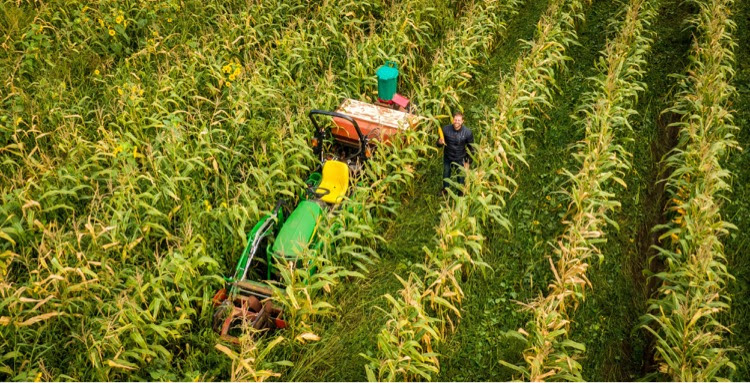
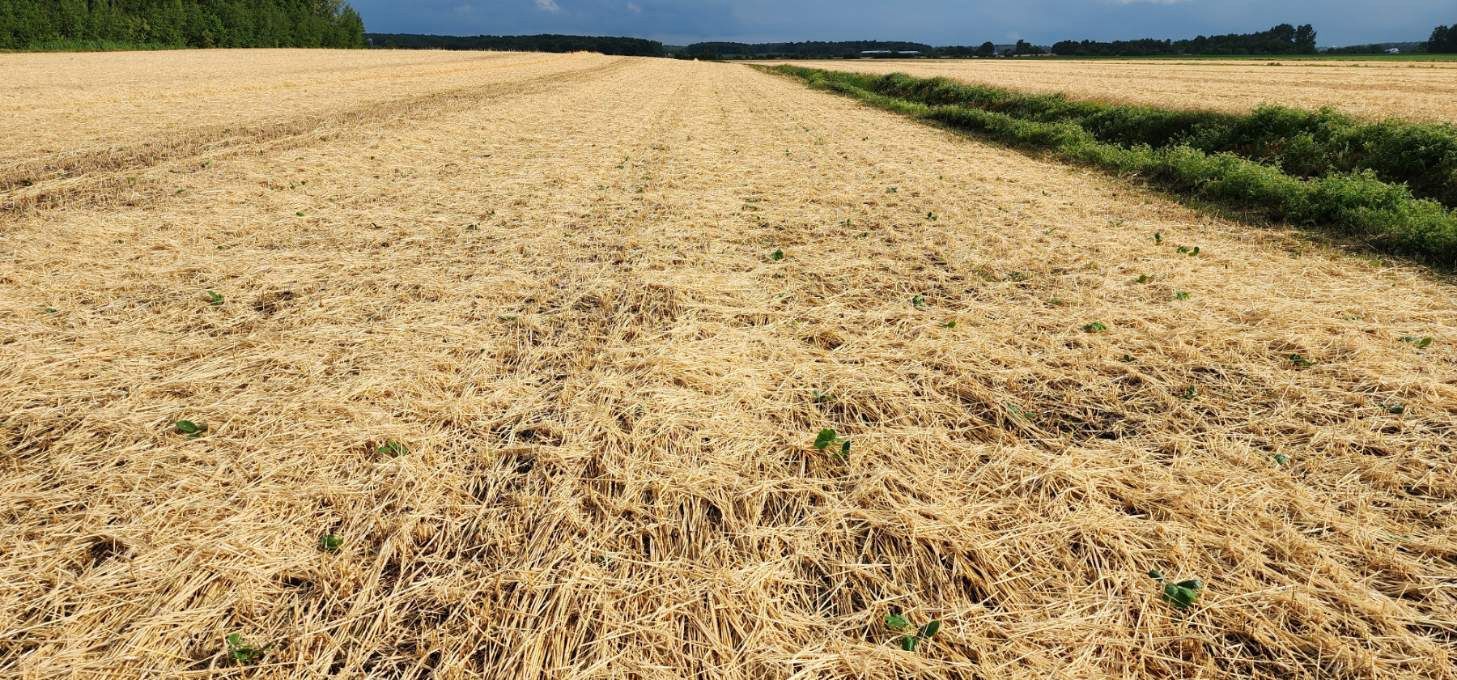
- No-till (direct seeding, zero-tillage) The soil is not worked at any point throughout the season. residue from the previous crop is left on the soil surface, and its root system is left intact. the following crop is seeded directly into the soil without tillage.
- Minimum-till Minimum tillage is a soil cultivation practice that reduces the number, depth (0-10 cm), and intensity of tillage operations (no inversion of the soil) to minimize soil disturbance.
- Strip till Tillage is performed in narrow strips into which new crops are seeded. the space between these seeded strips (interrows) is left undisturbed, crop residue is left in place, and a cover crop may be direct-seeded into the interrows.
- No-till (direct seeding, zero-tillage)
- Keep the soil covered and maintain living roots year-round
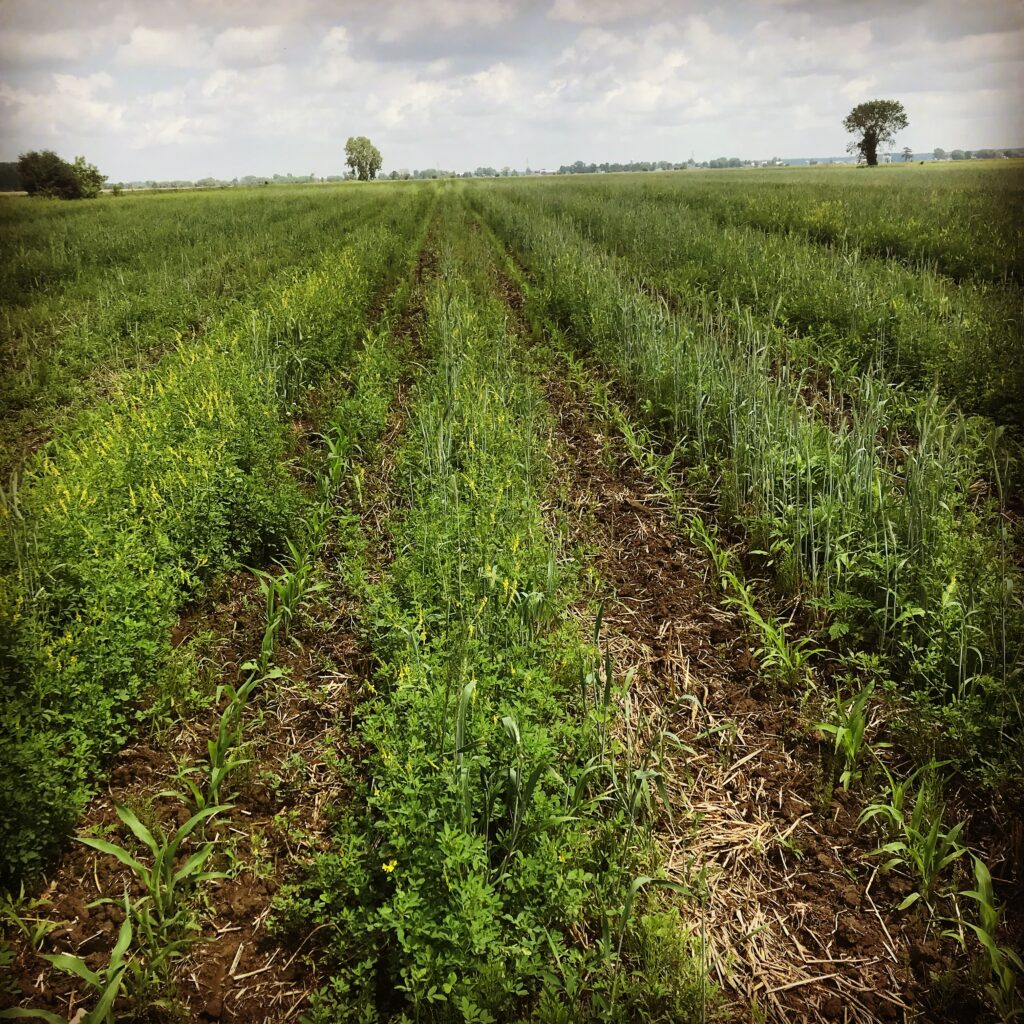
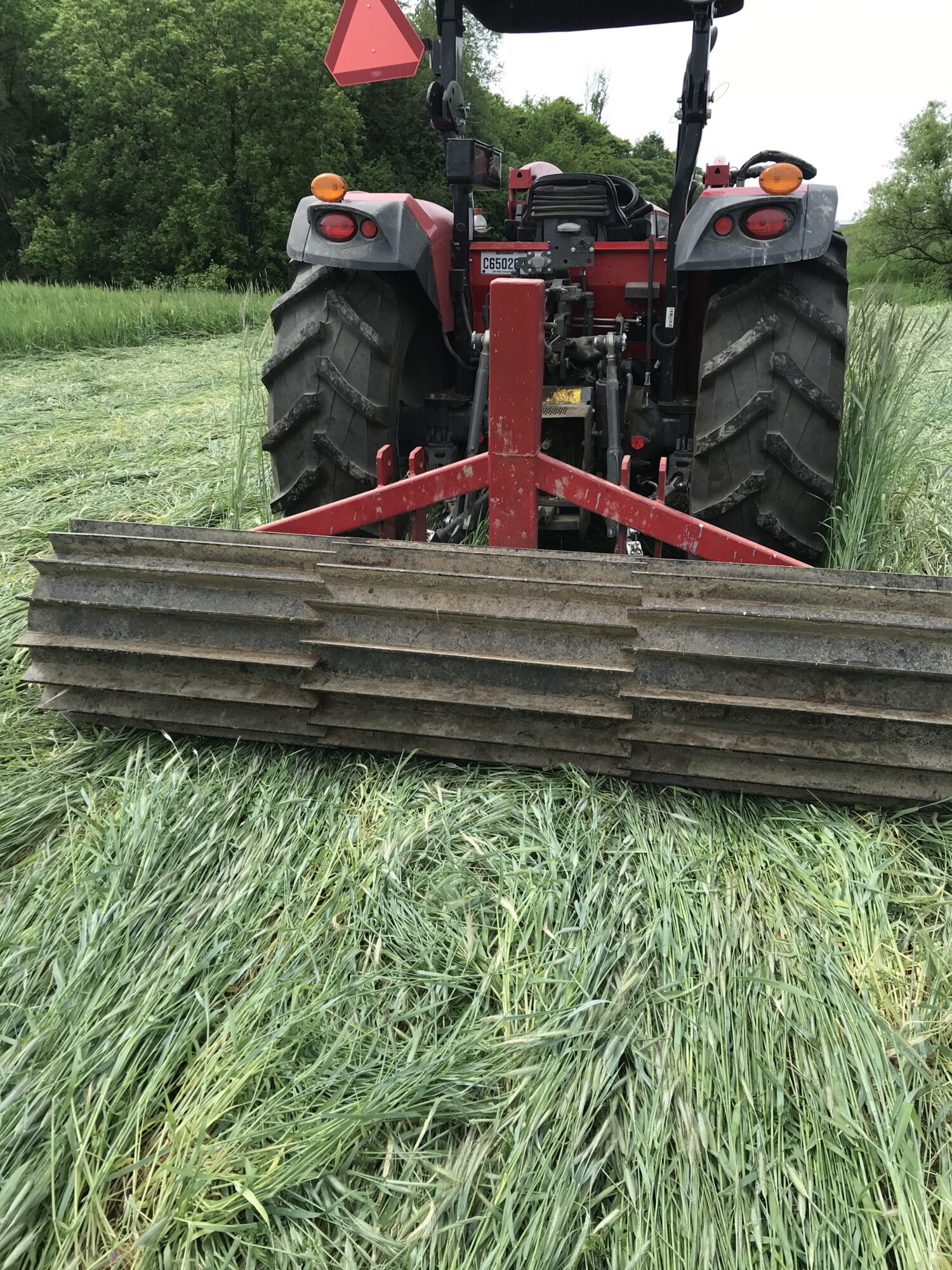
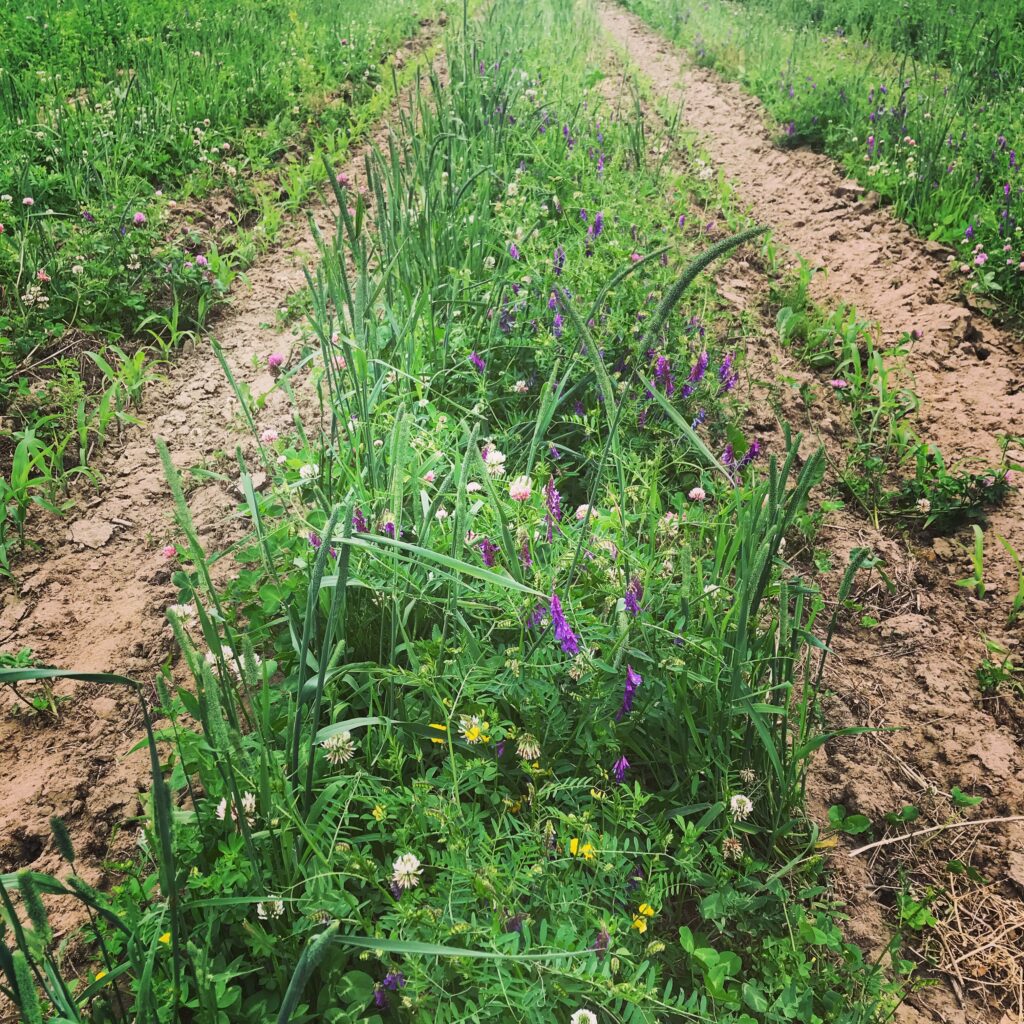
- Cover crops Plants grown alongside, preceding, or following cash crops with the purpose of increasing soil fertility, reducing soil erosion, and suppressing weeds.
- Organic mulch Organic mulch involves covering the soil surface with a protective barrier to increase soil health, reduce soil erosion, and suppress weeds. the mulch can be composed of various organic materials such as straw, leaves, or compost.
- Intercropping Simultaneously growing two or more crops adjacent to one another, on the same piece of land and within the same growing season. crops are paired based on their differing, yet complementary, space and resource requirements.
- Relay (or double) cropping Growing two or more crops one after another on the same field and within the same growing season. crops are combined in a relay to maximize the season according to the maturation or harvest stage of the crops.
- Cover crops
- Protect and enhance biodiversity
- Companion cropping Simultaneously growing two or more crops together in the same field so they complement one another by improving nutrient cycling, suppressing pests and weeds, and enhancing biodiversity.
- Diverse crop rotations Planting crops with different characteristics in sequence on the same field over time
- Pollinator buffers Patches or rows of diverse flowering vegetation that provide pollinators with permanent habitats and food sources. they can be planted as intercrops or at the edge of fields.
- Habitat conservation/creation/restoration The conservation, creation, and restoration of ecosystems to improve habitat value for wildlife. forests, prairies, riparian areas, or wetlands can be restored along farmland.
- Companion cropping
- Optimize input use
- Compost Organic matter that has been recycled through a composting process into a form that can be used as a soil amendment.\r\ncompost is the stable, nutrient-rich product of decomposed organic matter—such as plant residues, manure, or food scraps—that has been biologically processed under controlled aerobic conditions.
- Compost tea A water-based compost that undergoes a fermentation process (with or without oxygen).
- Compost
- Preserve and restore natural ecosystems
- Maintain living roots year-round (agroforestry and perennials)
- Windbreaks A single row or multiple rows of trees and shrubs to break the force of winds.
- Riparian buffers Mixed woody and non-woody species planted along the edges of bodies of water (streams, rivers, lakes, or ponds).
- Native perennial vegetation conservation The conservation of existing—or reintroduction of—native perennial vegetation, those that occur naturally in a region in which it evolved. it includes grasslands, woodlands, wetlands, and coastal habitats.
- Windbreaks
- Improve water cycles
- Water conservation The optimized use of water for crops and trees, or strict water use during critical periods of crop stages.
- Water conservation
Observations
- Mushrooms appearing at the surface of the soils
- Reduced erosion
- Improved water infiltration and less run-off
- Improved soil structure stability
- Increased biodiversity (beneficial insects & mushrooms)
- Deep plant root systems
- Carbon flowing in a more sustainable and virtuous way
How to buy
- B2B sales via partners: Prana, Viandes du Breton etc.