



Ferme Florale Libella Inc.
3 acres894 QC-214, Bury, Quebec, J0B 1J0, CanadaCharlene Audrey Chouinard and Jocelyn Thibault
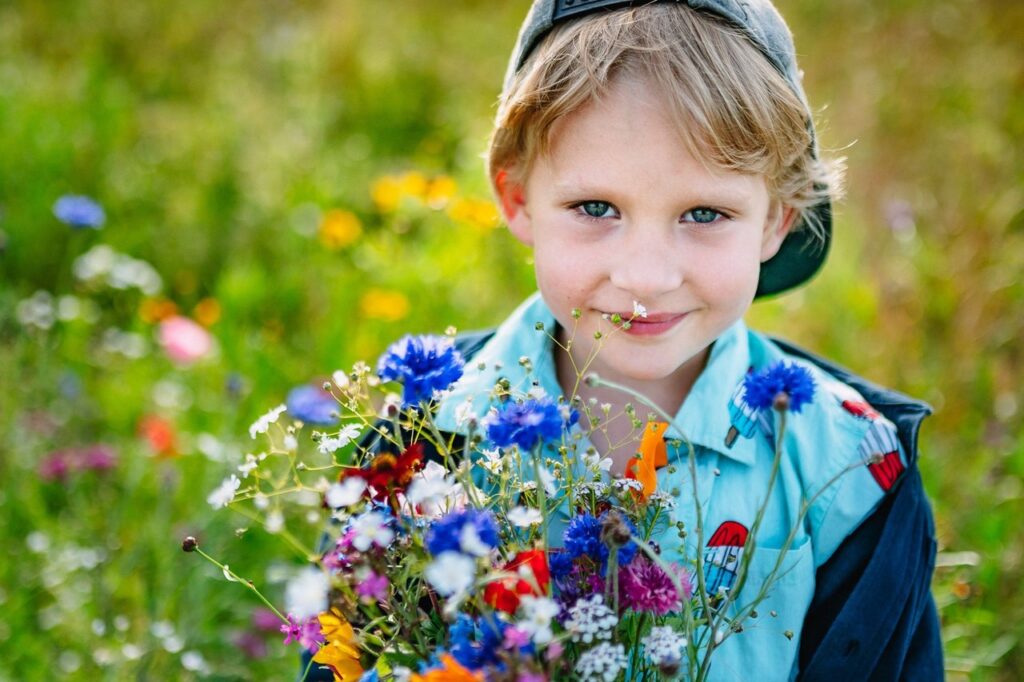
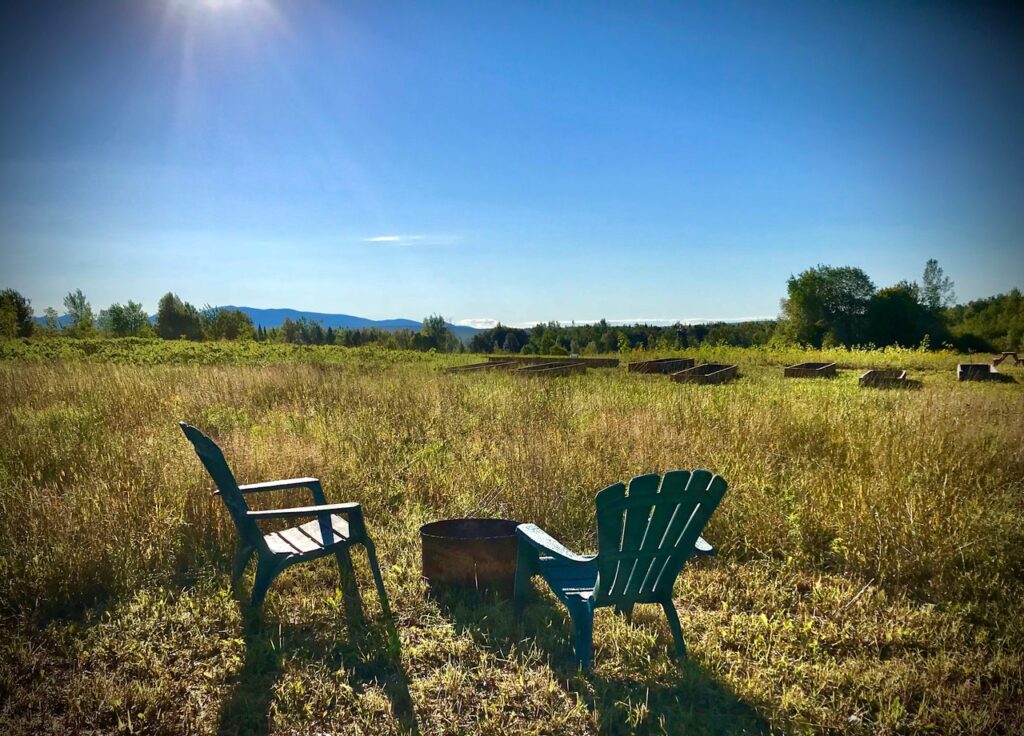
I am a flower farmer, but above all, I am an activist. Owner of a magnificent 50 acres of land, I am committed to practising, educating, and striving to bring regenerative agriculture to light through the beauty of flowers.
Products
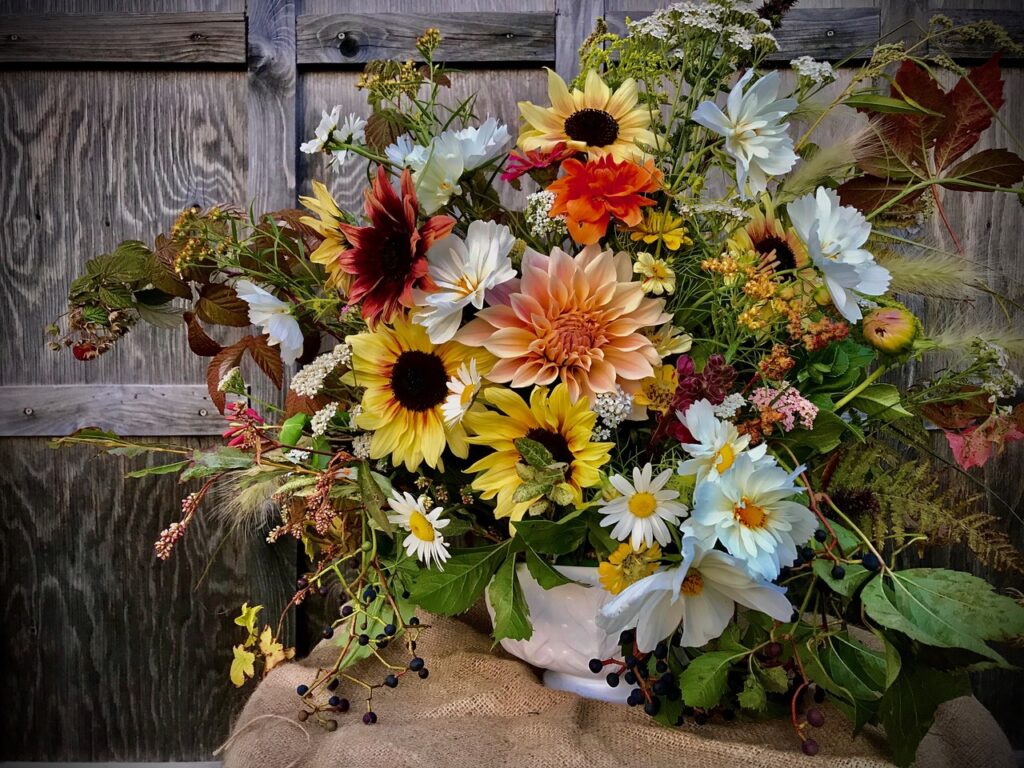
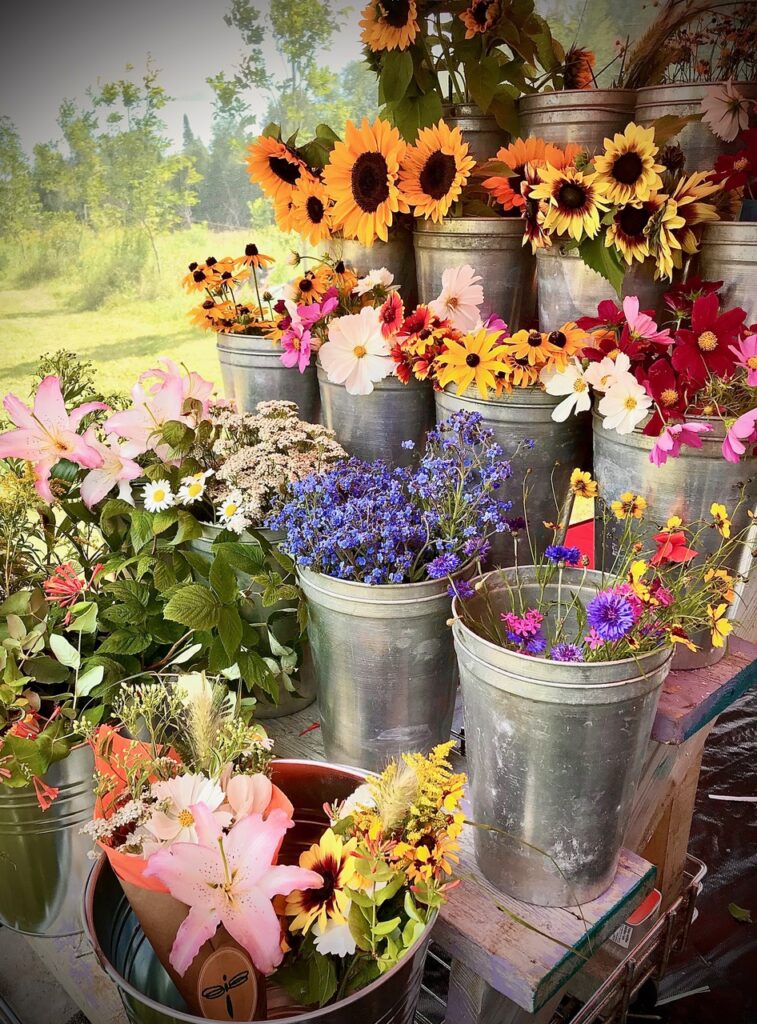
- Cut flowers
- Edible flowers
- Floral arrangements
Regenerative Practices
- Minimize soil disturbance
- Ridge till Elevated seedbeds (ridges) are built up and tilled along the ridge. directly prior to seeding, ridge peaks are flattened to dislodge residue and weeds into the rows while keeping soil relatively undisturbed.
- Ridge till
- Keep the soil covered and maintain living roots year-round
- Organic mulch Organic mulch involves covering the soil surface with a protective barrier to increase soil health, reduce soil erosion, and suppress weeds. the mulch can be composed of various organic materials such as straw, leaves, or compost.
- Plastic mulch Non-living, non-organic sheets of polyethylene terephthalate (pet) plastic applied alongside, or following, cash crops to protect the soil.
- Intercropping Simultaneously growing two or more crops adjacent to one another, on the same piece of land and within the same growing season. crops are paired based on their differing, yet complementary, space and resource requirements.
- Organic mulch
- Protect and enhance biodiversity
- Companion cropping Simultaneously growing two or more crops together in the same field so they complement one another by improving nutrient cycling, suppressing pests and weeds, and enhancing biodiversity.
- Diverse crop rotations Planting crops with different characteristics in sequence on the same field over time
- Pollinator buffers Patches or rows of diverse flowering vegetation that provide pollinators with permanent habitats and food sources. they can be planted as intercrops or at the edge of fields.
- Companion cropping
- Optimize input use
- Compost Organic matter that has been recycled through a composting process into a form that can be used as a soil amendment.\r\ncompost is the stable, nutrient-rich product of decomposed organic matter—such as plant residues, manure, or food scraps—that has been biologically processed under controlled aerobic conditions.
- Compost tea A water-based compost that undergoes a fermentation process (with or without oxygen).
- Manure Manure (also known as livestock manure) is a type of soil amendment rich in nitrogen that integrates soil organic matter back into the soil and feeds the soil food web.
- Biostimulants Any substance or microorganism applied to plants or soil to stimulate the plant’s ability to assimilate applied nutrients or provide benefits to plant development. biostimulants include amino acids, chitosan (biopolymers), seaweed extracts, and humic substances.
- Minimal to no use of synthetic pesticides Any product, device, organism, substance or thing that is manufactured, represented, sold or used as a means for directly or indirectly controlling, preventing, destroying, mitigating, attracting or repelling any pest (health canada, 2024).\r\nin canada, the most used pesticide active ingredient types are glyphosate, 2,4-d, glufosinate ammonium, and mcpa (all herbicides). then, there are also insecticides and fungicides such as chlorpyrifos, clothianidin, or chlorothalonil.
- Compost
- Maintain living roots year-round (agroforestry and perennials)
- Native perennial vegetation conservation The conservation of existing—or reintroduction of—native perennial vegetation, those that occur naturally in a region in which it evolved. it includes grasslands, woodlands, wetlands, and coastal habitats.
- Riparian buffers Mixed woody and non-woody species planted along the edges of bodies of water (streams, rivers, lakes, or ponds).
- Native perennial vegetation conservation
- Preserve and restore natural ecosystems
- Improve water cycles
- Rainwater harvesting The practice of collecting and storing rainwater from roofs, surfaces, or landscapes for later use in irrigation, livestock watering, or other on-farm needs.
- Water conservation The optimized use of water for crops and trees, or strict water use during critical periods of crop stages.
- Wetland restoration Reestablishing the natural hydrology, vegetation, and ecological function of a wetland area that has been drained, degraded, or altered.
- Rainwater harvesting
Observations
- Monarch butterfly and bird sightings (ex. Common kestrel)
- Significant return of biodiversity
How to buy
- At the farm, markets, grocery stores, or on the website