Lightfoot & Wolfville Vineyards
40 acres11143 Evangeline Trail, Wolfville, Nova Scotia, B4P 2R1Lightfoot Family
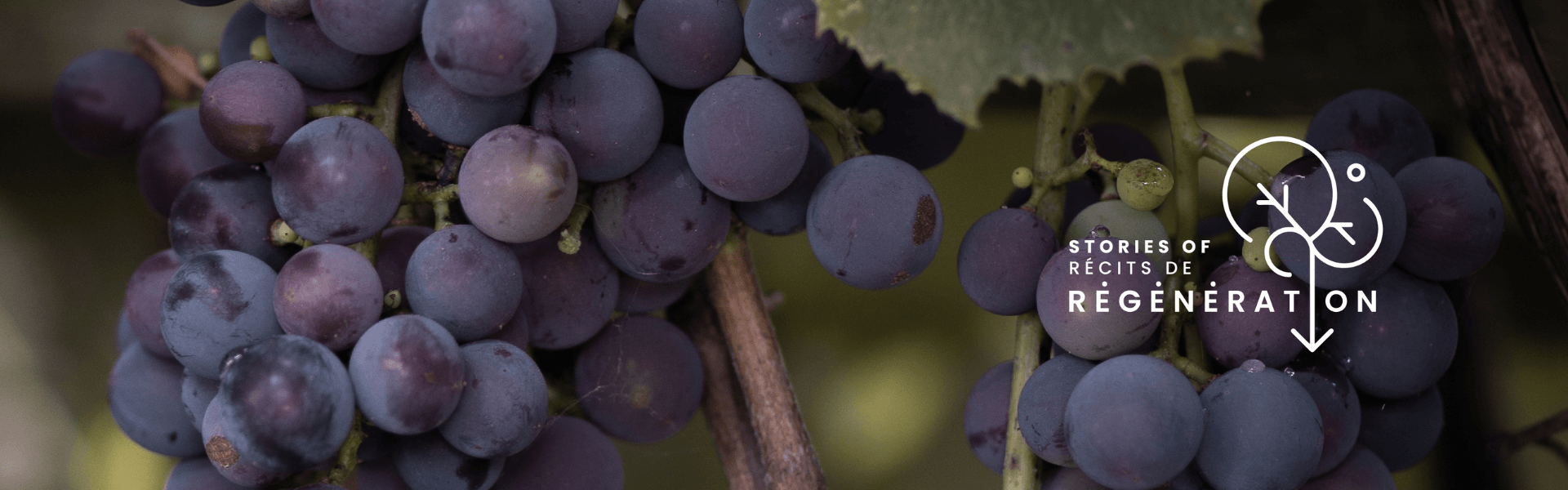
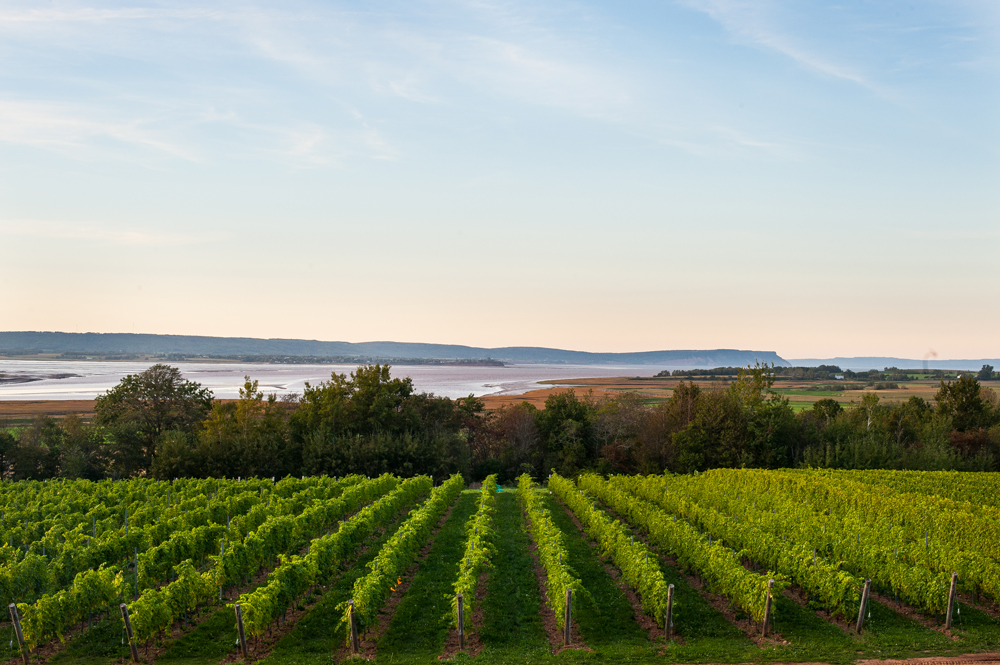
We see regenerative agriculture as an essential and responsible way forward that is not only better for the environment but also better for product quality. Living soils grow healthy, balanced vines that bear better quality fruit, and, ultimately, wines that convey the purest spirit of place. It is of utmost importance to us to leave our land to future generations in a healthier state, our soils enriched and free from chemicals.
STORIES OF REGENERATION:
SHORT FILM
The biodynamic wines of Lightfoot & Wolfville Vineyards
PODCAST
Podcast: Connecting People to Place at Lightfoot & Wolfville Vineyards
WEBINAR
🎥 Regenerating the market: Direct-to-consumer models connecting farmers and families
Photo gallery
Nova Scotia
REGENERATIVE PRINCIPLE
Reciprocity within both natural and human ecosystems
2023-07-14 | Live Event
Discover more
Products
- wine
- wine grapes
Regenerative Practices
- Minimize soil disturbance
- Minimum-till Minimum tillage is a soil cultivation practice that reduces the number, depth (0-10 cm), and intensity of tillage operations (no inversion of the soil) to minimize soil disturbance.
- Permanent grassland A parcel of land composed primarily of herbaceous grasses, including perennials and native plant species, which can be used for grazing, forage, or biomass production.
- Minimum-till
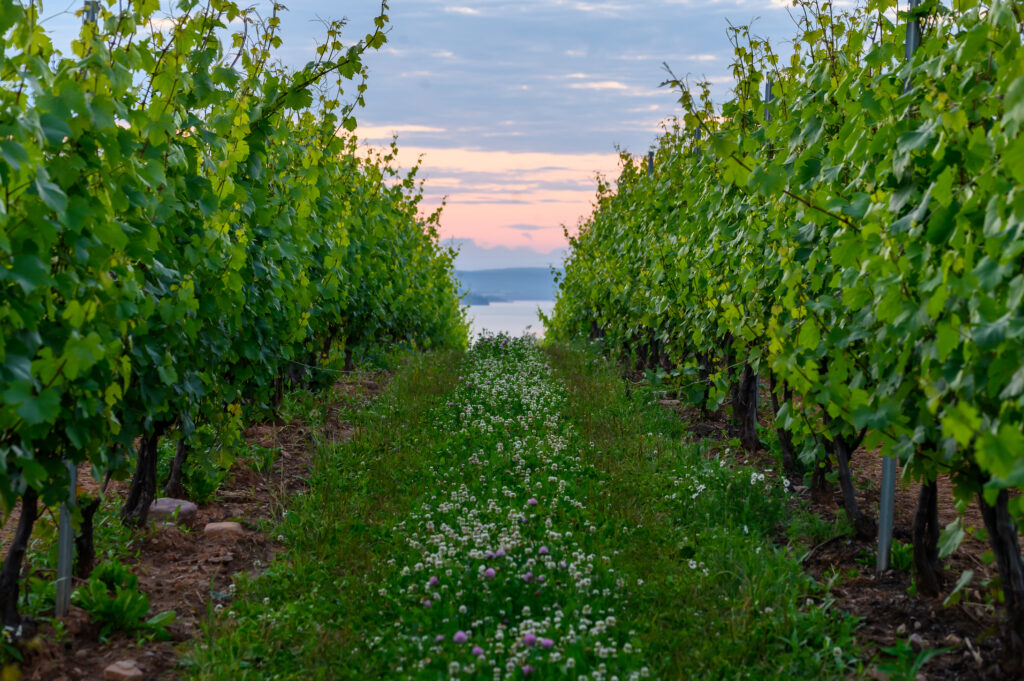
- Keep the soil covered and maintain living roots year-round
- Cover crops Plants grown alongside, preceding, or following cash crops with the purpose of increasing soil fertility, reducing soil erosion, and suppressing weeds.
- Organic mulch Organic mulch involves covering the soil surface with a protective barrier to increase soil health, reduce soil erosion, and suppress weeds. the mulch can be composed of various organic materials such as straw, leaves, or compost.
- Cover crops
- Protect and enhance biodiversity
- Pollinator buffers Patches or rows of diverse flowering vegetation that provide pollinators with permanent habitats and food sources. they can be planted as intercrops or at the edge of fields.
- Habitat conservation/creation/restoration The conservation, creation, and restoration of ecosystems to improve habitat value for wildlife. forests, prairies, riparian areas, or wetlands can be restored along farmland.
- Pollinator buffers
- Preserve and restore natural ecosystems
- Maintain living roots year-round (agroforestry and perennials)
- Tree crops Tree crops
- Perennial crops (grasslands) Crops that regrow each year in a specific climate without needing to be reseeded.
- Windbreaks A single row or multiple rows of trees and shrubs to break the force of winds.
- Tree crops
- Optimize input use
- Compost Organic matter that has been recycled through a composting process into a form that can be used as a soil amendment.\r\ncompost is the stable, nutrient-rich product of decomposed organic matter—such as plant residues, manure, or food scraps—that has been biologically processed under controlled aerobic conditions.
- Compost tea A water-based compost that undergoes a fermentation process (with or without oxygen).
- Manure Manure (also known as livestock manure) is a type of soil amendment rich in nitrogen that integrates soil organic matter back into the soil and feeds the soil food web.
- Biostimulants Any substance or microorganism applied to plants or soil to stimulate the plant’s ability to assimilate applied nutrients or provide benefits to plant development. biostimulants include amino acids, chitosan (biopolymers), seaweed extracts, and humic substances.
- Minimal to no use of synthetic pesticides Any product, device, organism, substance or thing that is manufactured, represented, sold or used as a means for directly or indirectly controlling, preventing, destroying, mitigating, attracting or repelling any pest (health canada, 2024).\r\nin canada, the most used pesticide active ingredient types are glyphosate, 2,4-d, glufosinate ammonium, and mcpa (all herbicides). then, there are also insecticides and fungicides such as chlorpyrifos, clothianidin, or chlorothalonil.
- Minimal to no use of synthetic fertilizers Fertilizers that are derived from synthetic sources. \r\nas plants extract nutrients (nitrogen, phosphorus, potassium, and sulfur are the four most important nutrients) from the soil during every growing season, they must be replenished through fertilizers, manure, legume cover crops (through nitrogen fixing), and compost added to fields annually.
- Compost
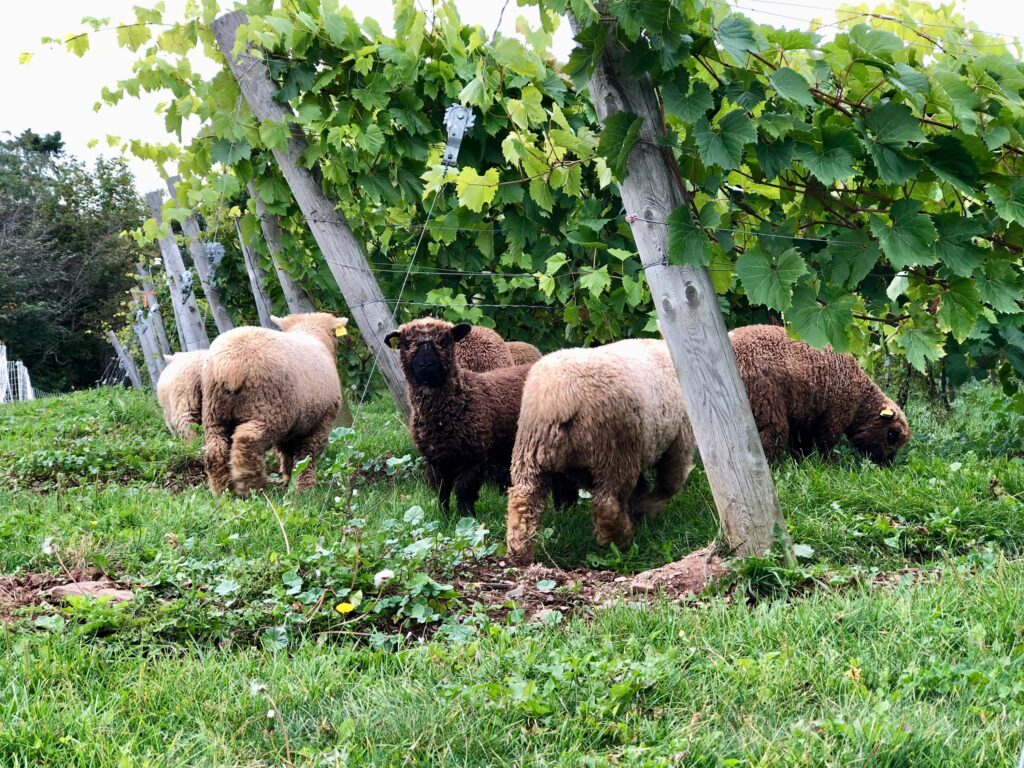
- Integrate animals on the lands and ensure their welfare
- Adaptive multi-paddock grazing Adaptive multi-paddock (amp) grazing is a regenerative grazing system in which livestock are grazed in small paddocks and are moved frequently, resulting in short but intense grazing intervals. the system of multiple small paddocks means that cattle do not circle back to a pasture for a long period of time, allowing for long pasture recovery periods. the word “adaptive” in amp means adapting the duration of livestock on a pasture according to forage availability and the weather, all in the goal of avoiding overgrazing and overstocking.
- Integrated crop and livestock A farm system that combines or alternates between crops and livestock use. crops and livestock may be used in different areas at the same time, or during different times in the same area (i.e., integrated spatially or temporally)
- Pastured pigs or poultry The managed integration of pigs or poultry on pasture.
- Adaptive multi-paddock grazing
Observations
- Return of wildlife - birds. snakes, deer
- Improved soil health - texture, minimal compaction
- Product quality - even ripeness and flavour development
Certifications
- Organic (Ecocert Canada)
- Demeter (biodynamic)
How to buy
- https://lightfootandwolfville.com/ , through our farm-winery store at 11143 Evangeline Trail, Wolfville NS, at the NSLC https://www.mynslc.com/