
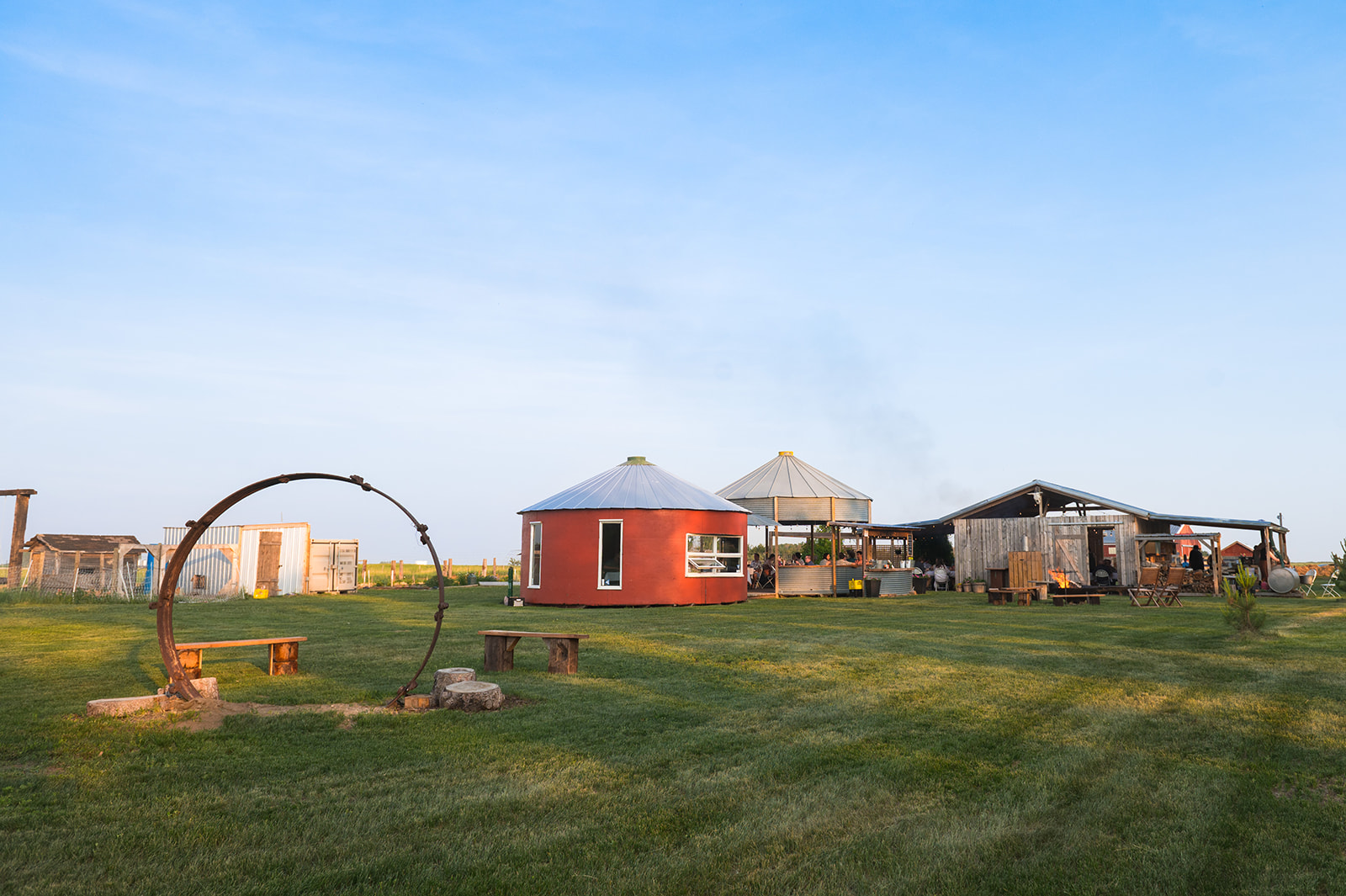
Farm One Forty
600 acresBox 530, Vanscoy, SK, S0L 3J0Arlie and Brett Laroche
A form of agriculture that offers hope for a vibrant, diverse, and robust future. Agriculture that restores the land and the people.
Products
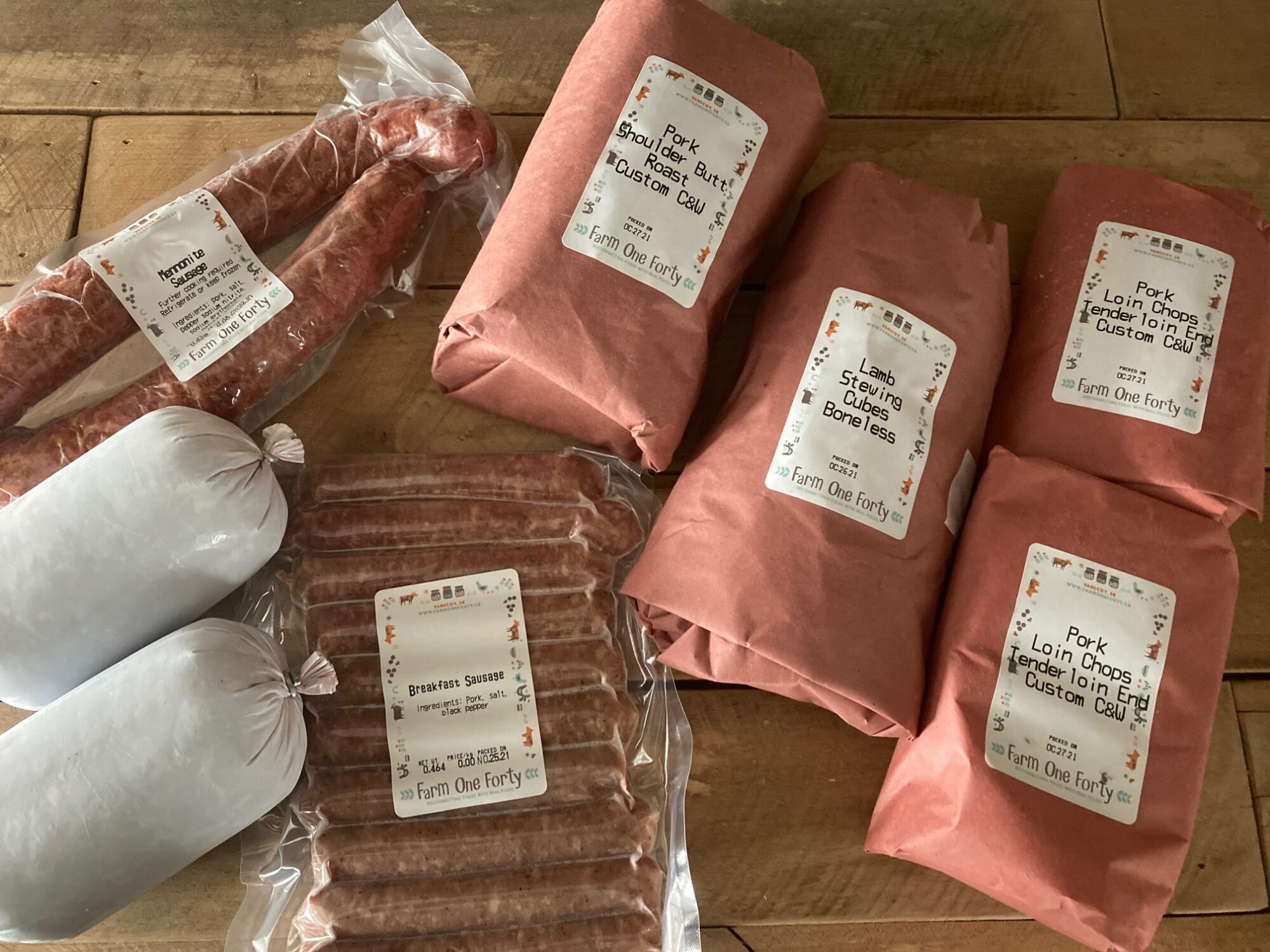
- Grass fed beef
- grass fed lamb
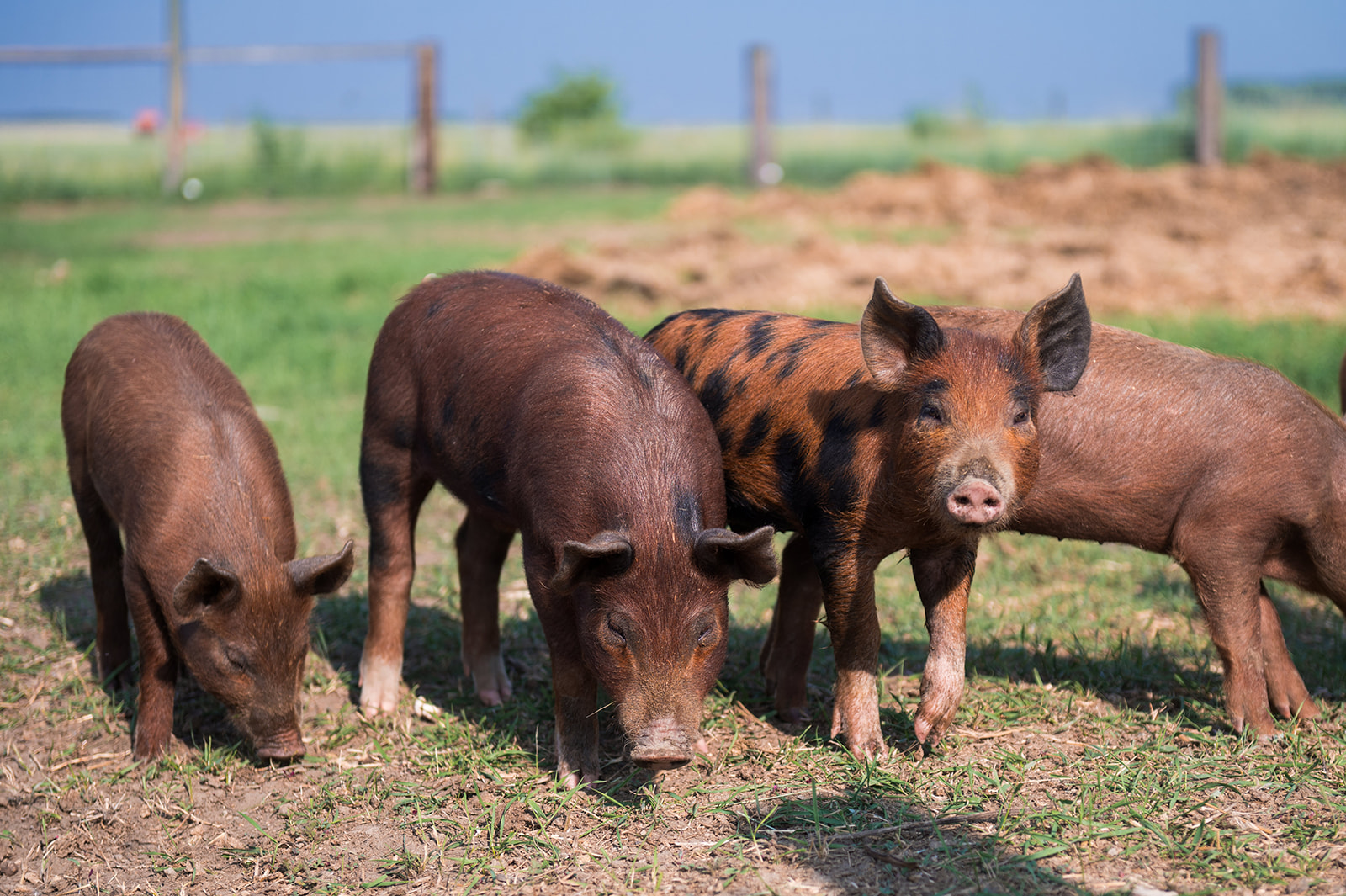
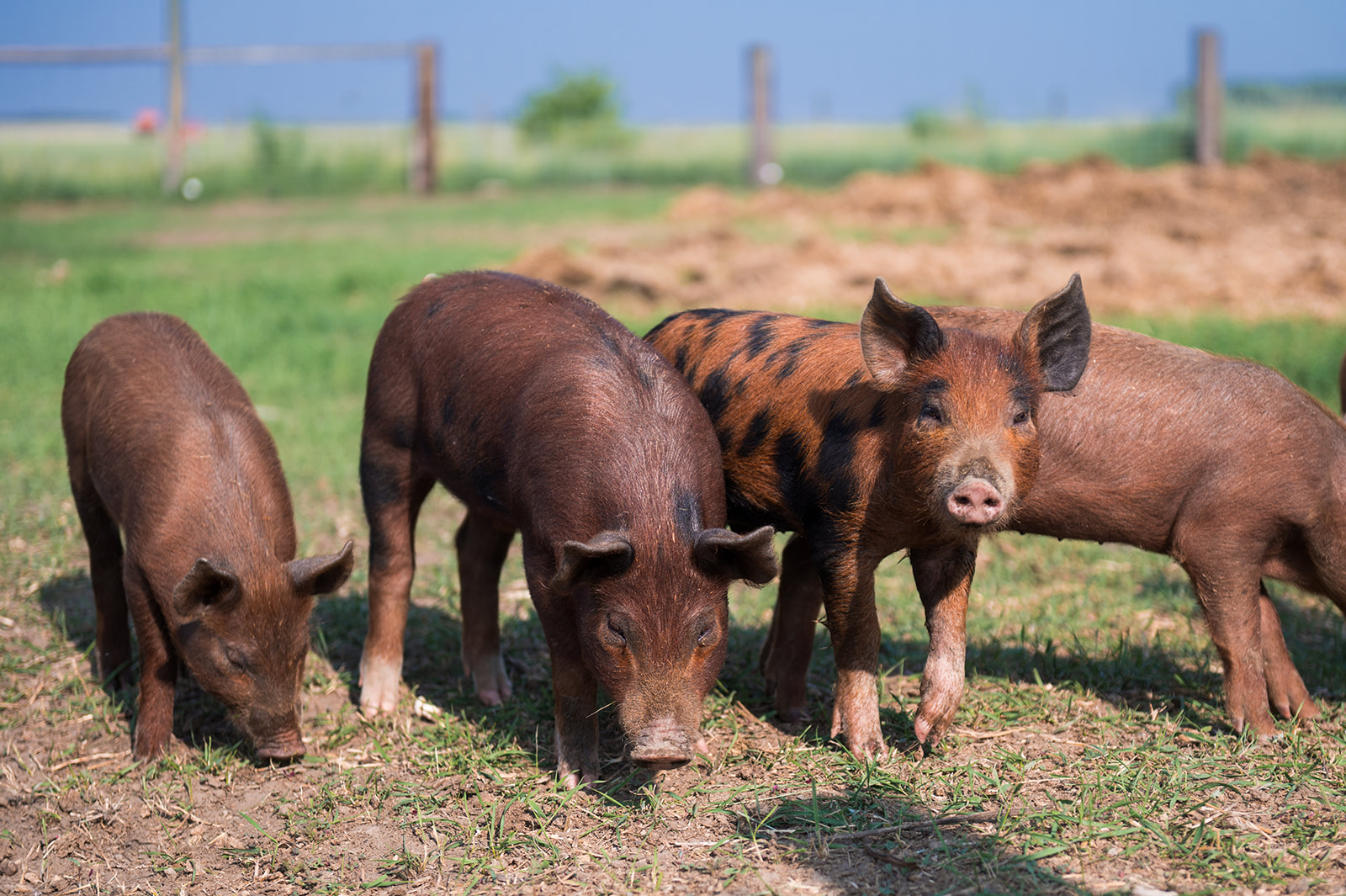
- pasture raised pork
- eggs
- honey
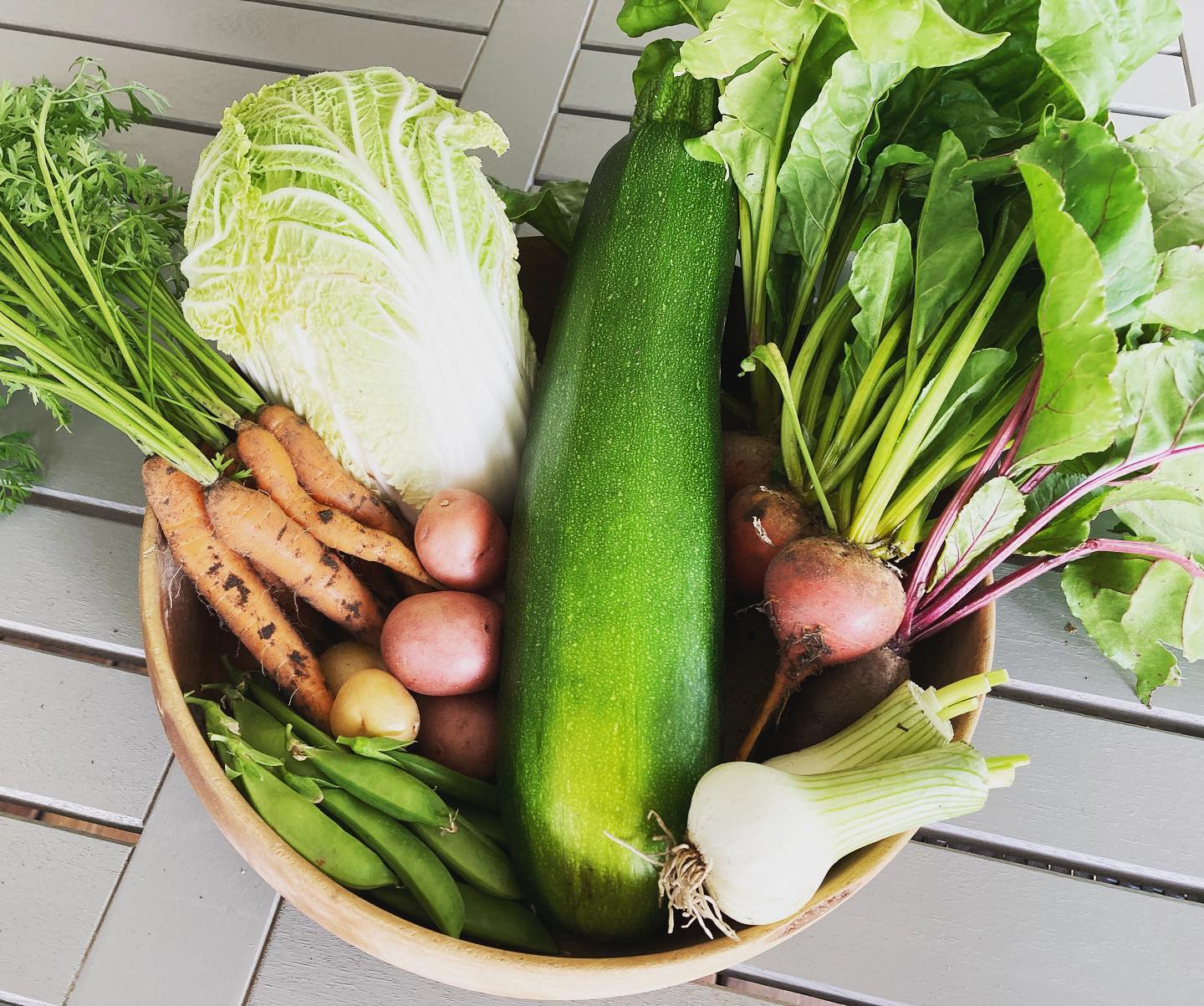
- vegetables
- fruits
- berries
- grains
- pulses
- lambskins
Regenerative Practices
- Minimize soil disturbance
- No-till (direct seeding, zero-tillage) The soil is not worked at any point throughout the season. residue from the previous crop is left on the soil surface, and its root system is left intact. the following crop is seeded directly into the soil without tillage.
- Minimum-till Minimum tillage is a soil cultivation practice that reduces the number, depth (0-10 cm), and intensity of tillage operations (no inversion of the soil) to minimize soil disturbance.
- Permanent grassland A parcel of land composed primarily of herbaceous grasses, including perennials and native plant species, which can be used for grazing, forage, or biomass production.
- No-till (direct seeding, zero-tillage)
- Keep the soil covered and maintain living roots year-round
- Cover crops Plants grown alongside, preceding, or following cash crops with the purpose of increasing soil fertility, reducing soil erosion, and suppressing weeds.
- Organic mulch Organic mulch involves covering the soil surface with a protective barrier to increase soil health, reduce soil erosion, and suppress weeds. the mulch can be composed of various organic materials such as straw, leaves, or compost.
- Plastic mulch Non-living, non-organic sheets of polyethylene terephthalate (pet) plastic applied alongside, or following, cash crops to protect the soil.
- Intercropping Simultaneously growing two or more crops adjacent to one another, on the same piece of land and within the same growing season. crops are paired based on their differing, yet complementary, space and resource requirements.
- Relay (or double) cropping Growing two or more crops one after another on the same field and within the same growing season. crops are combined in a relay to maximize the season according to the maturation or harvest stage of the crops.
- Cover crops
- Protect and enhance biodiversity
- Companion cropping Simultaneously growing two or more crops together in the same field so they complement one another by improving nutrient cycling, suppressing pests and weeds, and enhancing biodiversity.
- Diverse crop rotations Planting crops with different characteristics in sequence on the same field over time
- Pollinator buffers Patches or rows of diverse flowering vegetation that provide pollinators with permanent habitats and food sources. they can be planted as intercrops or at the edge of fields.
- Habitat conservation/creation/restoration The conservation, creation, and restoration of ecosystems to improve habitat value for wildlife. forests, prairies, riparian areas, or wetlands can be restored along farmland.
- Companion cropping
- Optimize input use
- Compost Organic matter that has been recycled through a composting process into a form that can be used as a soil amendment.\r\ncompost is the stable, nutrient-rich product of decomposed organic matter—such as plant residues, manure, or food scraps—that has been biologically processed under controlled aerobic conditions.
- Compost tea A water-based compost that undergoes a fermentation process (with or without oxygen).
- Manure Manure (also known as livestock manure) is a type of soil amendment rich in nitrogen that integrates soil organic matter back into the soil and feeds the soil food web.
- Compost
- Preserve and restore natural ecosystems
- Maintain living roots year-round (agroforestry and perennials)
- Perennial crops (grasslands) Crops that regrow each year in a specific climate without needing to be reseeded.
- Windbreaks A single row or multiple rows of trees and shrubs to break the force of winds.
- Riparian buffers Mixed woody and non-woody species planted along the edges of bodies of water (streams, rivers, lakes, or ponds).
- Perennial crops (grasslands)
- Improve water cycles
- Rainwater harvesting The practice of collecting and storing rainwater from roofs, surfaces, or landscapes for later use in irrigation, livestock watering, or other on-farm needs.
- Water conservation The optimized use of water for crops and trees, or strict water use during critical periods of crop stages.
- Wetland restoration Reestablishing the natural hydrology, vegetation, and ecological function of a wetland area that has been drained, degraded, or altered.
- Rainwater harvesting
- Integrate animals on the lands and ensure their welfare
- Adaptive multi-paddock grazing Adaptive multi-paddock (amp) grazing is a regenerative grazing system in which livestock are grazed in small paddocks and are moved frequently, resulting in short but intense grazing intervals. the system of multiple small paddocks means that cattle do not circle back to a pasture for a long period of time, allowing for long pasture recovery periods. the word “adaptive” in amp means adapting the duration of livestock on a pasture according to forage availability and the weather, all in the goal of avoiding overgrazing and overstocking.
- Bale grazing Feeding livestock by placing hay bales directly on pasture during fall or winter, allowing animals to graze in place while naturally distributing manure and nutrients.
- Integrated crop and livestock A farm system that combines or alternates between crops and livestock use. crops and livestock may be used in different areas at the same time, or during different times in the same area (i.e., integrated spatially or temporally)
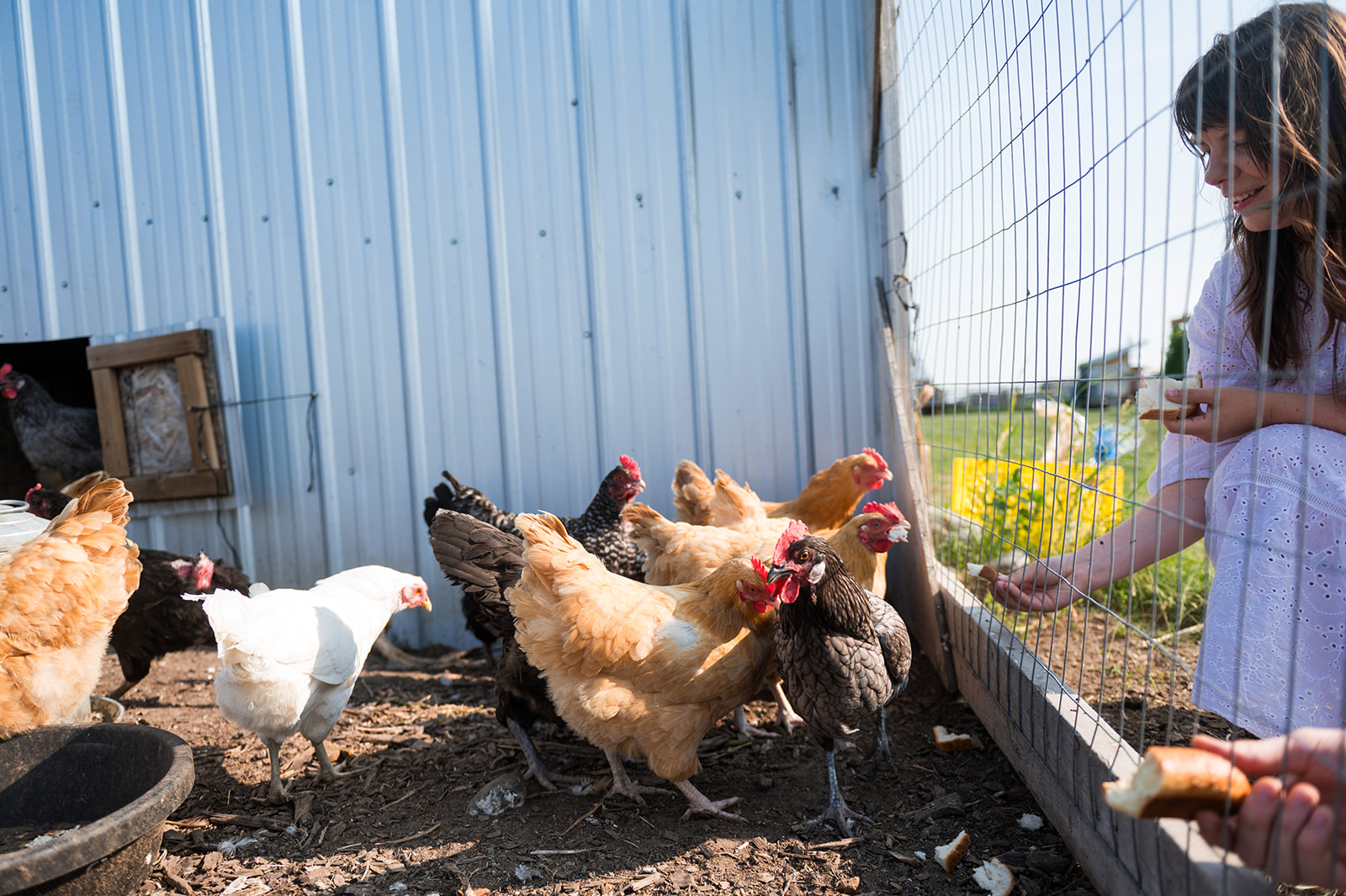
- Pastured pigs or poultry The managed integration of pigs or poultry on pasture.
- Multi-species grazing A grazing system in which multiple species of livestock (cattle, sheep, chickens, etc.) are grazed on the same area of land, either at the same time or following one another in the rotation.
- Adaptive multi-paddock grazing
Observations
- Increased biodiversity in flora and fauna,
- Increase in water infiltration rate
- Better soil aggregation and microbiology
- Increase in forage production
- Improved animal health
How to buy
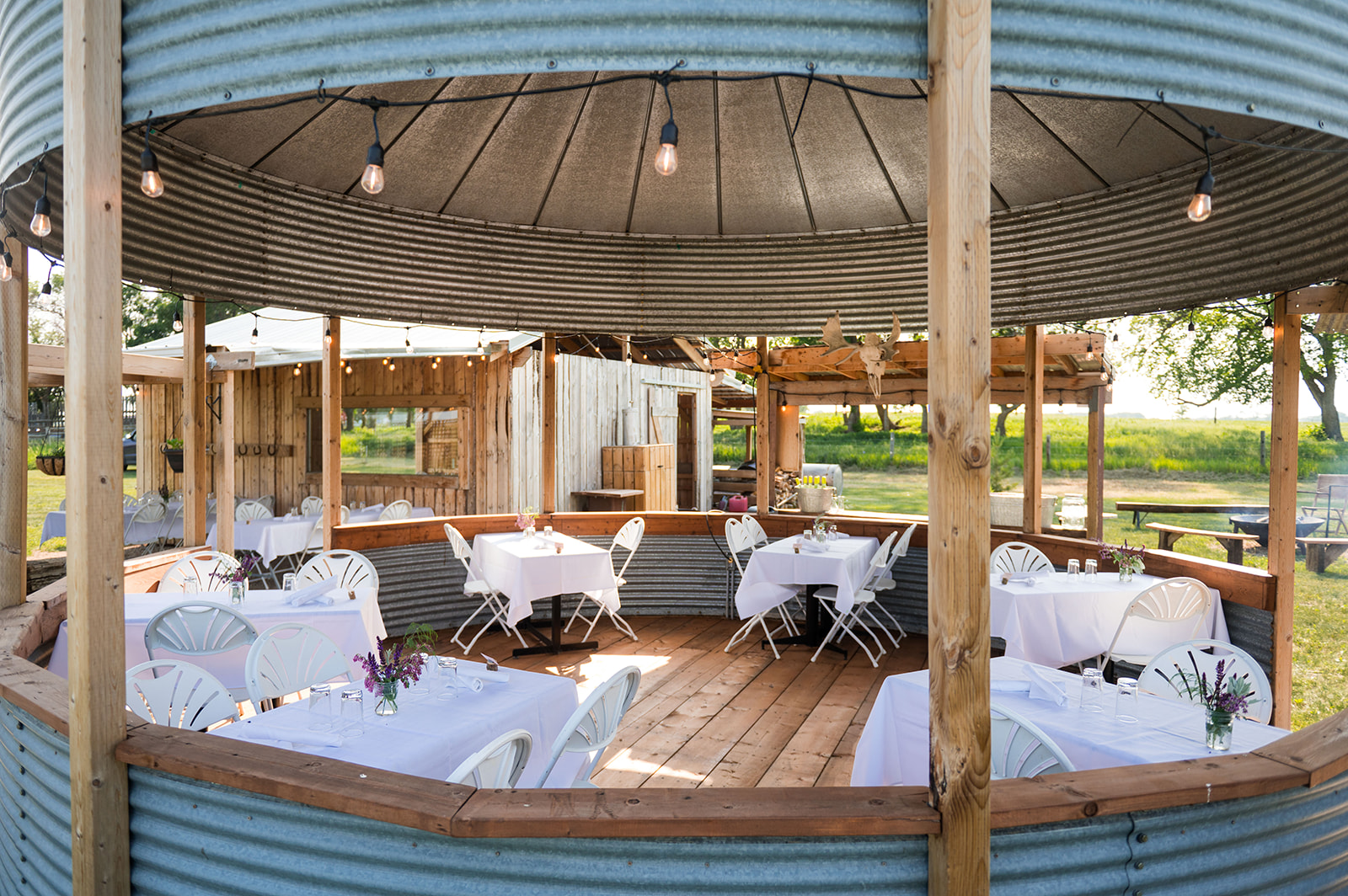
- We sell our products on our website, www.farmoneforty.ca as well as at our farm store on the property which is open by appointment only. There are a handful of retailers in our local city that carry our products as well. We also own a restaurant in our city that uses our products on the menu extensively.